Cat-Friendly Fruits: A Guide to Safe and Healthy Treats
8 min read
If you happen to have a cat, that is likely where your question arises, "What fruit can cats eat?" Truly, it's an interesting question. Cats are widely known for being carnivorous so that some fruits
Fruity Felines: Safe & Healthy Fruits for Your Cat
If you happen to have a cat, that is likely where your question arises, "What fruit can cats eat?" Truly, it's an interesting question.
Cats are widely known for being carnivorous so that some fruits could constitute healthy supplements to their diet. This guide will delve deep into the fruit world tributary to cat safety. It will explore which fruits are happy for your feline friend and which are hazardous.
 Safe & Healthy Fruits for Your Cat
It will touch on the benefits and risks of feeding fruits to cats and provide tips on introducing these new foods to your pet. While fruits can be a fantastic treat, they should never replace a balanced diet. So come with me as we begin this little journey and enjoy discovering the safe fruits for your feline friend.
Cat Nutrition Basics: Understanding Their Dietary Needs
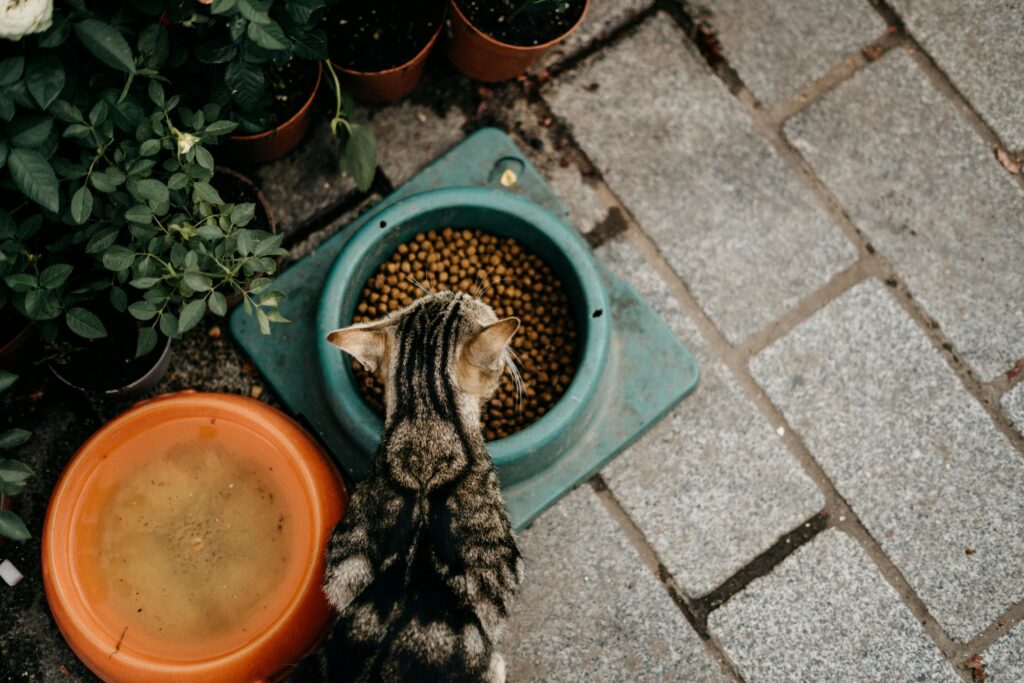
Cats are obligate carnivores, meaning that their food source must be meat. Their bodies are structured to process proteins and fats rather than carbohydrates. Unlike humans and dogs, cats' energy is derived from animal proteins.
 Cat Nutrition
This specialization limits what food items a cat can safely eat. Although cats can process plant matter, they have a pretty poor digestive system that's good for meat digestion. This is where the limitation lies in keeping the diet heavily meat-concentrated.
Yet a bit of seasonal fruit of differing types can be added for variety; fruits, however, must be completely non-toxic and used only sparsely. It is essential to make certain these fruits bolstered their diet.
Fruits should be introduced thoughtfully and gradually. Not all cats enjoy getting their first taste of fruits; some will manifest signs of food intolerance. Watch for reactions of any kind to be sure your kitty does not endure any discomfort or gastrointestinal upsets.
Before changing your cat's diet, consult a veterinarian, who can give you specific advice for your pet's particular health needs. Learn what your pet needs in its diet to maintain good health and contentment over the long haul.
Fruit Benefits for Cats: Adding a Healthy Boost
While meat remains the mainstay of a cat's diet, fruits might offer other health benefits. They are not crucial dietary staples, but they can introduce some healthy variety in eating patterns when offered in small amounts. Fruits have different textures and flavors; some cats might like them.
It is another novel way to introduce fruits to your pet. They contain vitamins and minerals that may assist with your cat's general health. For a small amount of fruit, you will likely find a good low-calorie option for a snack. Try looking for discount codes with Zooplus to help you save on great discounts for cat treats and nutritional supplements.
 Fruit Benefits for Cats
Other fruit juices, as they are high in water content, ensure proper water intake. They help a cat that doesn't drink much water, which, therefore, supports a cat's urinary tract health through proper hydration.
Some fruits have antioxidants and benefit the cat's immune system. They could neutralize free radicals that harm the system, and blueberries are one good example of a fruit with many antioxidants.
Key Fruit Benefits: Vitamins, Hydration & More:
- Vitamins: Improves general health.
- Antioxidants: Improves immune power.
- Hydration: Increases water intake.
- Fiber: Aids in digestion.
- Low Calories: An alternative to unhealthy treats.
Despite all of the above, fruits should never be the main food for cats. Cats need meat because it alone maintains certain nutrients. Sprinkle fruits into their meals occasionally, and get your vet's opinion on what fruit is antibiotic-friendly for your pet.
Introducing Fruits to Cats: A Step-by-Step Guide
Going slow with fruits can save you from digestive woes. Sudden changes in the diet can cause discomfort. Offer just a tiny piece of fruit and watch what reaction it draws from your kitty.
Watch for possible signs of reactions or other digestive issues. If any adverse reactions arise, do not provide fruits to the cat. Some signs to watch include vomiting and diarrhea.
Always remove the seeds and pits from fruits before you serve them. Many of them can be toxic to cats. Ensure the fruit is fresh and free of pesticides.
When feeding fruits to your cat, control serving size. Use small portions so you don't trigger weight gain. Although fruits are healthy, too much can be an issue.
Cat-Friendly Fruits: A Delicious & Safe List
Cats can eat some fruits to add variety to their meal. However, make sure they are safe. There are many fruits we enjoy that cats cannot eat.
Some fruits, like apples, are safe to eat only when their seeds and cores are removed. Small amounts ensure they remain a treat rather than an everyday part of their diet.
- Bananas (In Moderation): Bananas are non-toxic to cats, making them a safe choice. Their soft texture makes them appealing. However, due to their sugar content, moderation is the key. Tiny bites of banana can be offered occasionally as a fun and healthy treat. Observe how your cat reacts to a new food.
- Blueberries (Antioxidant-Rich): Blueberries are a good antioxidant source and are generally safe for cats. This small berry offers health benefits in small amounts. Because of their low caloric count, they make a fitting treat. Offer a few blueberries at a time. Texture and taste may interest cats.
- Watermelon (Seedless and Rind Removed): Watermelon is an excellent hydrating option for cats. Its high water content is helpful, especially in hot weather. Seeds and rind must be removed before offering. Offer your cat tiny, bite-sized pieces of watermelon. This juicy treat can help with hydration and is often very well-received.
- Strawberries (Small Quantities): Strawberries can make a pleasant treat because they are sweet; however, their sugar content limits their intake. Be sure to wash strawberries to remove pesticides. Small portions of strawberry allow for the safe offering of this fruit.
- Melons (Cantaloupe and Honeydew): Melons like cantaloupe and honeydew are generally safe to give to cats in small amounts, and their juiciness might provide a refreshing change. Make sure that no seeds or rinds are offered to the pear. A few small pieces make it a good treat for your cat. Taste and texture will be a different experience for them.
- Pears (Seedless): Pears can be introduced to a cat if they are missing the seeds containing trace amounts of cyanide. Always remove these seeds before sharing. A slice of pear can be an occasional treat. Its sweetness may entice, but it should remain a rare indulgence.
- Mango (Peeled and Pit Removed): Once peeled and pitted, mango is still a safe option for cats. Being a tropical fruit, mango should only be given to cats occasionally because of its sugar content. Introduce mango in small cubes. Watch for digestive changes, as reactions can differ among cats.
Toxic Fruits for Cats: What to Keep Away From Paws
Not all fruits are right for your feline friends. Some can cause serious health problems; therefore, you must know which ones to avoid.
Knowing which fruits can be poisonous means guarding against a poisonous encounter with the cat. Always remember these dangers when introducing new foods.
- Grapes and Raisins (Highly Toxic): Grapes and raisins are known to be extremely poisonous, oftentimes leading to grave health preoccupations. Yet only a little of this flesh can end up causing acute kidney failure. Grapes and raisins are to be kept out of reach by any means; if ingestion is done, immediate attention must be paid to the cat after visiting the vet. Be extra cautious and check labels for hidden things.
- Some Other Dangerous Fruits: Cherries, Peaches, and Others: Some other fruits like cherries and peaches are also dangerous. These fruits have pits that contain cyanide, which is toxic to cats. Cherries, peaches, and these fruits should all be avoided. Always research before sharing any fruit with your kitty to ensure it is safe.
Fruit Feeding Tips: Serving Up Safe & Tasty Treats
Introducing fruits into your cat's diet is worth considering. Start by offering small amounts to watch for reactions and prevent possible digestive problems.
Never feed fruits with seeds, pits, or rinds. These parts can be choking hazards or toxic. Healthy fruits should be fresh and washed thoroughly to remove pesticides.
When choosing the best treatment options for your cat, prioritize safe and non-toxic fruits. Fruits should be given as an occasional treat, not completely substituted for pet food. Again, balance is the utmost important issue in maintaining health.
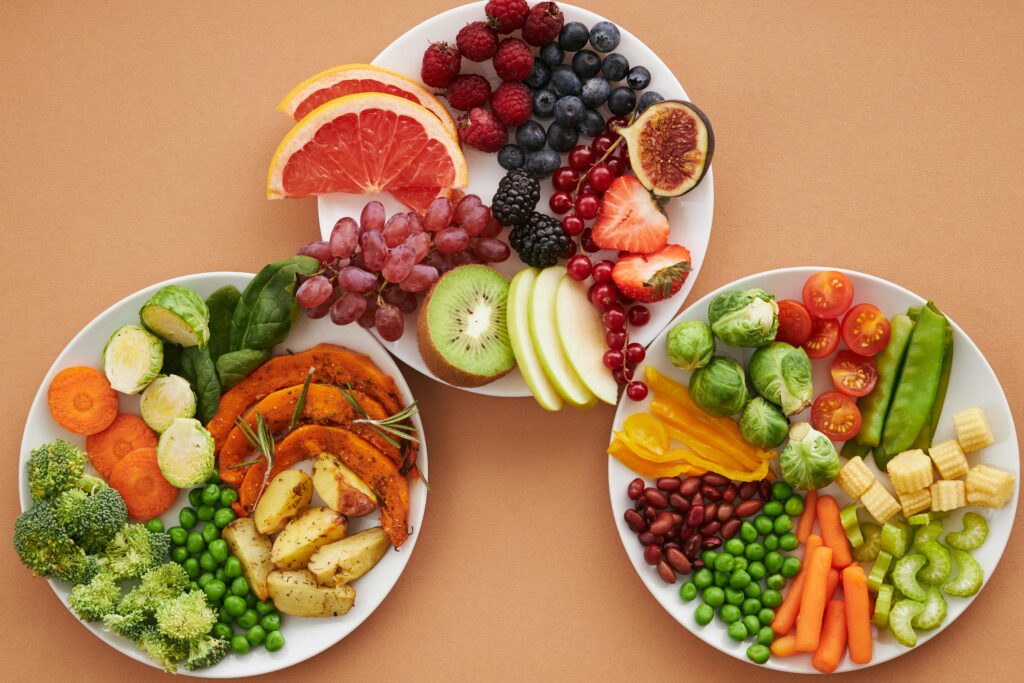
Fruit Serving Hacks: Making Treats Irresistible:
 Fruit Serving Hacks
- Start with small, approachable pieces.
- Watch out for any allergies or changes in behavior.
- Whenever possible, opt for the organic variety.
- Do not add sugar or syrups.
- Consult your vet for tailored advice.
With these in mind, you can offer your cat a delightful, enriching fruit snack without worries.
Fruit & Your Cat: Achieving a Healthy Dietary Balance
Offering fruit to your cat could create life and nutritional variety, yet this should be done with caution to maintain a good defensive balance in cat feeding. Meanwhile, fruits should accompany primary protein-based meals to prevent deficiencies and ensure wholesome diets.
As always, your cat's health comes first, so consult the vet before introducing any new food. Careful planning ensures the enjoyment of fruits safe in diversity without compromising the cat's welfare.