Can Dogs Eat Syrup? Understanding Sweeteners & Your Dog's
7 min read
As a dog owner, you may often wonder whether dogs can eat syrup and if it is good for them. Syrup is a sweet liquid of different viscosity: It could be maple syrup, corn syrup, or any of a multitude o
Syrup & Dogs: Sweet Treat or Health Hazard?
As a dog owner, you may often wonder whether dogs can eat syrup and if it is good for them.
Syrup is a sweet liquid of different viscosity: It could be maple syrup, corn syrup, or any of a multitude of varieties.
But is the syrup good for dogs to eat? Let's delve into the potential dangers.
This article has been designed to answer this question. It will address the effects of feeding syrup to dogs and briefly open the door to mention which syrup may be okay for dogs.
Like humans, dogs do not have the same dietary requirements and are not allowed to take in some food.
So, let's look into the topic of syrup in dog food.
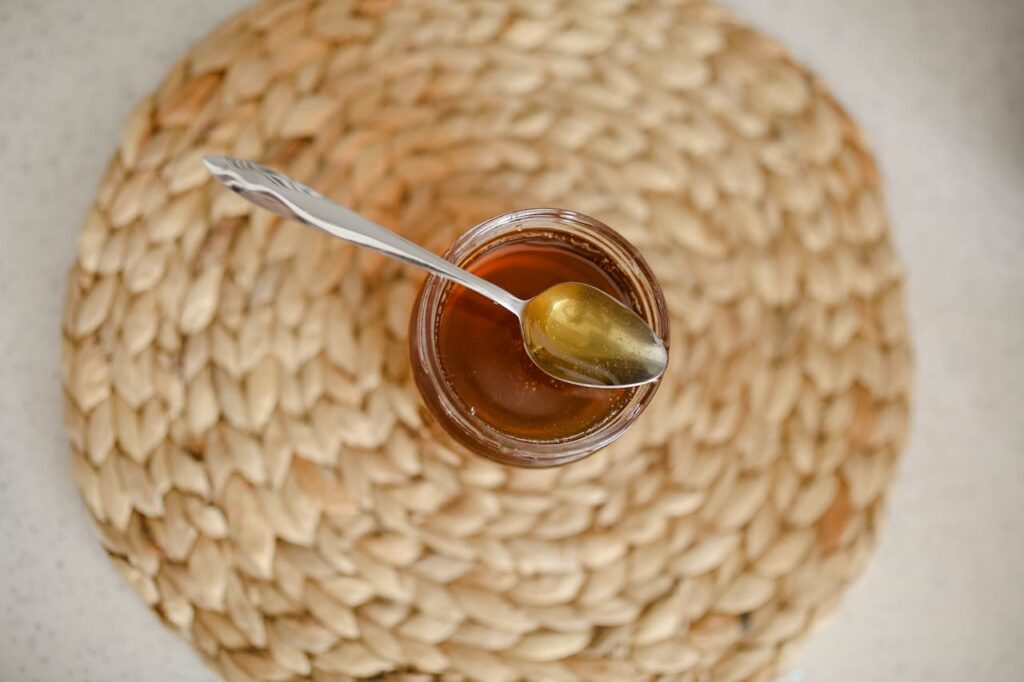 Can Dogs Eat Syrup
Syrup Varieties: Understanding the Sweeteners
Syrup refers to various sweet liquids often used in cooking and as toppings. Common types include maple, corn, and flavored syrups.
Maple syrup is natural. It has been extracted from the sap of maple trees. Its composition also includes minerals such as manganese and zinc.
Flavored syrups may contain some additives and preservatives. Some flavors could be artificial and, thus, dangerous to dogs.
Corn syrup is frequently found in processed foods. Nonetheless, it is extremely sugary, so it is not a good dog option.
Sugar & Dogs: The Dangers of Sweet Syrups
The syrup contains a high level of sugar so that it can pose a threat to dogs. Too much sugar may cause a dog to gain weight. Further, weight detrimentally affects a dog's health, producing joint and heart problems.
Another detrimental effect of high sugar intake is the fact that this contributes to dental problems in dogs. Sugary diets would usually mean tooth decay or gum disease. Dental health is very important for dogs to be taken care of.
Added sugars should not be needed in a dog's diet. The natural sugar in fruits and vegetables provides all the energy without adverse effects.
Diabetes could also develop through the routine use of syrup. So, controlling the sugar levels taken in by the dog is a means to prevent such sicknesses.
Syrup ingredient lists should then be checked before the dog can eat them. Some syrups contain high fructose corn syrup, which must be avoided.
Xylitol Toxicity: The Hidden Danger in Sugar-Free Syrups
Xylitol is a common sugar substitute found in sugar-free syrups. While it is safe for humans, it is very toxic to dogs. Only a very small amount can produce lethal effects.
The release of insulin into a dog's blood after the ingestion of xylitol is precipitous. The sudden release brings about hypoglycemia or low blood sugar. Symptoms set in quickly and may be noted within 30 minutes of exposure.
Signs of xylitol poisoning include:
- Vomiting
- Weakness
- Lack of coordination
- Seizures
Immediate veterinary attention is very important in case these symptoms show. Delaying treatment can lead to severe outcomes. Besides that, xylitol can also bring about liver failure, thus increasing its dangerousness.
Xylitol exposure should be prevented as much as possible. Syrups and other edibles containing this sweetener should not be easily accessible. Awareness could save a dog's life.
Reading labels is an important habit that dog owners should cultivate. It helps them know what exactly went into each ingredient of food kept around the house, thus preventing incidental poisonings. Always be careful with everyday items that are unknown to you.
Maple Syrup for Dogs: Is It a Safe Indulgence?
Maple syrup is a natural product derived from maple tree sugarcane. It contains natural minerals such as manganese and zinc that are beneficial in minute quantities. However, we also need to consider the sugar content.
Pure maple syrup is not toxic to dogs per se; however, it does contain high sugar levels. High amounts of sugar can lead to obesity, dental problems, or even diabetes in dogs. So, only give your dog this treat on rare occasions.
It's better to use maple syrup sparingly when giving it to dogs. In small quantities, maple syrup would unlikely cause any difficulties for a healthy dog. However, there's no reason for their diets to have added sugar. Always check the ingredient lists to be sure. Some maple syrups contain additives that could be hazardous to dogs. Pure and unprocessed syrup is the safest to give your furry companion a tiny taste.
Healthier Sweeteners: Safe Alternatives to Syrup for Dogs
Finding a healthier alternative to syrup will keep your dog happy and healthy. The added sugar is unnecessary in dogs, and many fruits provide natural sweetness. You need to make sure they get decent quality nutrition as well. To learn more about offers on how to add value to your dog's diet, check for an Ultimate Pet Nutrition coupon for good-quality pet food options.
Think of the following options when thinking of some more healthy dog treats:
- Apples: Make sure to remove the seeds and core first.
- Carrots: They are crunchy and naturally sweet.
- Blueberries: These are low in calories and high in nutrients.
- Pumpkin: Not only sweet but also rich in fiber.
These fruits and vegetables provide plenty of good nutrients and present no risks that syrup carries. They are safer and bring vitamins and fiber to a dog's diet.
Before offering these alternatives, wash it thoroughly and cut it into bite-size pieces. Remember, in moderation, too many treats of any kind can throw a dog's diet out of balance.
Xylitol Poisoning: Recognizing & Responding Quickly
Xylitol is very dangerous to dogs and has been found in sugar-free syrups. Its ingestion can cause severe health problems deathly quickly.
Symptoms of xylitol poisoning include vomiting and lethargy, and without prompt intervention, dogs may have seizures.
If you suspect your dog has slipped xylitol, call your vet immediately. There is no time for delay if serious damage is to be averted.
Keep all xylitol products out of reach. Help others in your household understand the danger that xylitol causes to prevent accidental exposure.
Treats in a Dog's Diet: Finding the Right Balance
Treats are a great way to add variety and excitement to a dog's diet, but they should only be in moderation. Too many treats can lead to weight gain and other health issues, and they mustn't exceed a minor proportion of their daily intake.
Choose nutritious and safe treats, such as fresh fruit and vegetables.
One of the top uses of treats is to reward desired behavior but always remember their nutritional balance.
Vet Consultation: Introducing New Foods Safely
Consult your vet before adding new foods to your dog's diet, as their recommendations would be based on that dog's health profile. Vets assess individual dietary needs and health concerns.
Since each dog is individual, its response to similar new ingredients may differ. A vet assists in determining the appropriateness of a new dog food. He may recommend a certain amount or some alternatives.
Consulting a professional ensures that any change in the diet will be safe. This greatly lessens the chances that your dog will have adverse reactions, which could compromise its health and happiness.
Sweet Treats & Dog Nutrition: Finding the Healthy Balance
A balanced diet is the most important factor in a dog's health. Treats like syrup must be limited.
The syrup does not come with any relevant nutrients a dog may need, so one should not confuse it for a fix. Quality dog food, therefore, should be your focus.
When you know what your pooch needs regarding nutrition, you can find the right treats for them. Treats can be healthy alternatives like fruit and veggies.
Always consult your vet for dietary help. Proper nutrition instead of treats ensures your dog's long and happy life.