Can Dogs Eat Pesto? Understanding the Risks and Safety
13 min read
In this article, we will explore the safety of feeding pesto to dogs, the potential risks associated with its ingredients, and safer alternatives for your furry friend. Dog owners are sure to wonder,
Pesto & Dogs: Is This Italian Sauce Safe for Your Pup?
In this article, we will explore the safety of feeding pesto to dogs, the potential risks associated with its ingredients, and safer alternatives for your furry friend. Dog owners are sure to wonder, "Can dogs eat pesto?" At least many of us want to share these fancier foods with our furry four-legged friends.
Pesto is an Italian concoction and a very sought-after sauce in many households. It is said to be prepared with basil, garlic, pine nuts, Parmesan cheese, and olive oil. Is it safe for our little furry companions?
Pesto, a beloved Italian sauce, contains toxic ingredients for dogs. The main culprits, garlic and onion, can seriously harm your dog's health. Even other seemingly harmless ingredients like basil and pine nuts can cause trouble if fed in large quantities. This information is crucial for dog owners to be cautious and responsible regarding their pet's diet.
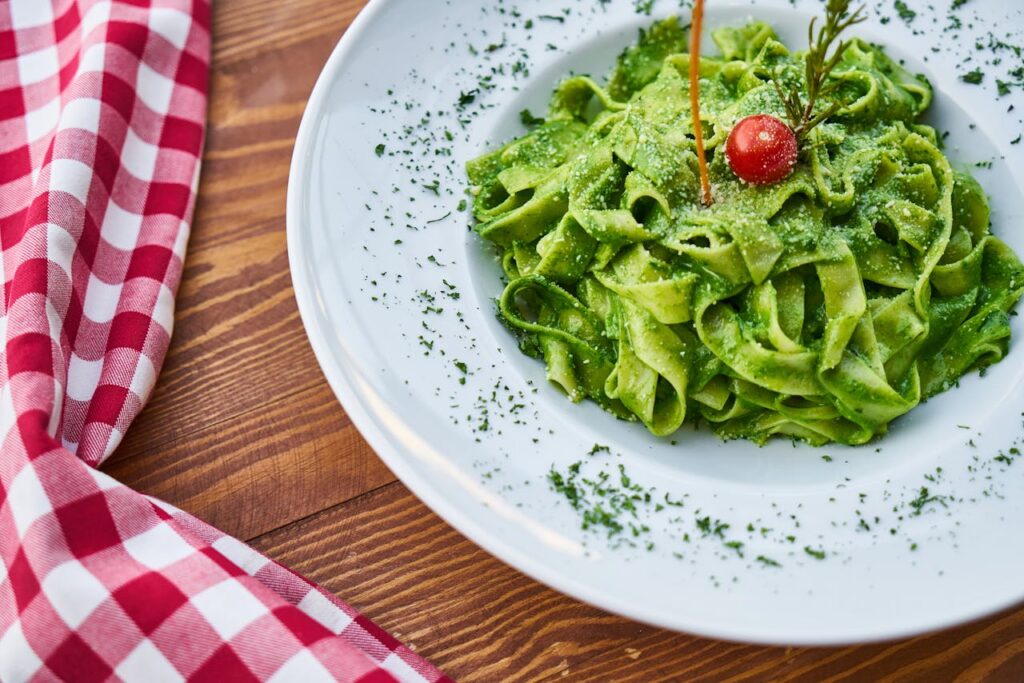 Can Dogs Eat Pesto
This text will discuss these ingredients and their consequences for dogs in detail. We will then discuss safer substitutions for pesto, ensuring your dog is not deprived of delicious delicacies.
If you're a dog owner looking to expand your pet's culinary horizons, it's important to keep a watchful eye. This article will equip you with the knowledge you need to make informed decisions about what to feed your dog, empowering you to make the best choices for your pet's health.
Understanding Pesto and Its Ingredients
The interesting fact is that pesto isn't a pasta topping. It's a vivid green sauce with universal appeal. Originating in Genoa, Italy, pesto is prized for its particular mix of fresh ingredients.
Pesto Basics: Understanding the Sauce
Pesto is, at its essence, a raw sauce. The mainstay consists of a small handful of fresh, aromatic ingredients. Traditionally, these are crushed together using a mortar and pestle, but like many modern recipes, the food processor has made this dish easier to prepare.
Most often, basil is the star of the show: a fragrant herb. Complemented by rich olive oil, pesto provides a smooth base for the sauce. Each ingredient gives pesto its characteristic flavor: Parmesan and pine nuts provide a savory depth, while garlic brings a certain bite.
Common Pesto Ingredients: What's Inside?
The usual pesto recipe is simple yet yummy. Below are its main parts:
- Basil: Offers a fresh and slightly peppery taste.
- Garlic: Adds sharpness and intensity.
- Pine Nuts: Contribute to creaminess and sweetness.
- Parmesan Cheese: Provides a salty umami flavor.
- Olive Oil: Acts as a binding agent with a fruity note.
Although these elements work together, not all are suitable for dogs. Garlic and onion, for example, are particularly harmful for canines.
While pine nuts are not toxic, their high-fat content could cause trouble. Even though olive oil is safe in moderation, it may easily add unwanted calories.
Knowledge of these parts is very important before giving any pesto to a dog.
Basil Pesto for Dogs: Is It a Safe Herb?
Basil pesto is a popular sauce, though it doesn't seem safe for canine use. While basil isn't toxic to dogs, other sauce components surely are. Garlic and cheese in pesto brings several health threats to dogs.
Garlic is worrisome because it has a poisonous effect. Dogs that eat garlic may result in anemia and other serious conditions. Another important ingredient, parmesan cheese, could lead to digestive trouble. Many dogs have a hard time digesting dairy products well.
Aside from this, it's also worth noting the amount of fat pesto could contain. Pine nuts and olive oil are rich in fat, which may lead to weight gain or pancreatitis. Just a small amount of pesto can ruin your dog's nutritional balance.
With all these factors in mind, dogs should not be given basil pesto. Consider other types of dog-friendly sauces. Eating healthy is key with that new food you're going to introduce.
Pesto Risks for Dogs: Potential Health Hazards
Despite its wonderful taste, pesto has several inherent risks. As a responsible dog owner, you should understand why these are dangerous. Let's look at some of the harmful ingredients in pesto.
First, garlic is a big red flag when it comes to pestos. It can be toxic to dogs and deliver a hard punch to their health. Onions, which are closely related to garlic, are also quite dangerous.
Besides, we'll find other issues with pesto; it contains a lot of fat. High-fat components like pine nuts and olive oil can create possible health issues in dogs.
Pesto also contains cheese, which can make it problematic for many dogs. Lactose-intolerant dogs may experience digestive problems.
Furthermore, store-bought pesto contains salt and preservatives that are not friendly to dogs. Excess salt can cause serious sodium poisoning.
Some of the biggest risks that come with pesto in dogs are:
- Garlic and onion toxicity
- High-fat content leading to pancreatitis
- Lactose issues from cheese
- Excessive salt and harmful additives
Given the potential risks outlined above, it is best not to feed pesto to your dog. Instead, consider other healthier and safer dog treat ideas, such as homemade sauces using dog-friendly ingredients like plain yogurt, pumpkin, or peanut butter.
Garlic & Onion Toxicity: A Dangerous Combination
Garlic and onions, found in common general pesto, are poisons for dogs. They can cause anemia and affect red blood cells.
These contain symptoms of toxicity: weakness and vomiting. Dogs can even have breathlessness when ingested.
If your dog eats garlic or onions, swift action must be taken, such as calling a veterinary doctor for advice and treatment.
High Fat & Pancreatitis: Risks for Dogs
The high-fat content in pesto, which includes pine nuts or olive oil, is generally acceptable in moderation. Excessive quantities may lead to pancreatitis.
Pancreatitis is an inflammation of the pancreas in dogs. It is quite painful and causes vomiting and abdominal pain.
This means that dogs predisposed to develop this problem should not eat foods high in fat. Eating high-calorie foods regularly could increase the risk associated with them.
Lactose & Cheese: Digestive Concerns
Cheese is another possible ingredient in pesto, but it's bad news for lactose-intolerant dogs. Lactose can cause various digestive issues in dogs, such as diarrhea and gas.
Some dogs tolerate cheese, but even so, it should only be fed in very short quantities. The high-fat content can lead to other problems.
It is important to watch the dog's reaction to any dairy product. In the first instance, it should be given only cautiously and in very small quantities.
Salt & Additives: Hidden Dangers
Store-bought pesto often contains a high salt content. The excess sodium could eventually lead to poisoning, with symptoms that might include diarrhea and seizures.
There are also preservatives and other additives that might pose further risks. These agents can disrupt the canine digestive system.
You should check ingredient labels thoroughly before you consider purchasing packaged pet foods. Avoid excessive salt and other additives.
Pesto Ingestion Symptoms: What to Watch For
If a dog eats pesto, watch for warning signs. The first is probably digestive upset. You might observe your dog vomiting or having bouts of diarrhea.
Other signs include weakness and lethargy. These symptoms mean something is wrong with your dog's overall energy level, so attending to them becomes very important.
Breathing difficulties can arise in some cases of garlic or onion toxicity. If you notice that your dog is having difficulty breathing, there could be internal damage. Also, assess for increased heart rates.
Abdominal tenderness should signal pancreatitis. Your dog will tend to show signs of pain and will be unwilling to move. These symptoms should not be ignored; they need prompt veterinary attention.
Finally, watch for symptoms of dehydration. Continued vomiting or diarrhea may cause your dog to become dehydrated. Make sure that the dog is hydrated, and keep an eye on symptoms.
Safer Pesto Alternatives: Dog-Friendly Options
There are different, much safer options for preparing pesto that would not put your dog in danger. When cooking for your dog, avoid ingredients that harm its health, like garlic and too much cheese. Choose alternative, dog-safe ones instead.
Some other safe herbs for dogs include parsley and thyme. These can add flavor and also have a positive impact on health.
Use olive oil very sparingly in any pesto for dogs. Although it contains healthy fat, moderation is always a good practice to avoid inconvenience. A little olive oil will add flavor without making it too fatty.
For the nuts, try removing them completely. Pine nuts can contain too much fat for some dogs. You could make a nice mix without them.
Instead of cheese, you might notice a substitute that's easier for the dog to digest. Some poor dogs are unable to have lactose. Nutritional yeast might also be used, as it has that nice cheesy flavor.
Dog-Friendly Pesto Recipes: Healthy & Tasty
Making dog-friendly pesto is rather easy. You can choose either basil or parsley to serve as a base: both are safe and healthy for dogs.
Then, you only need a bit of olive oil to blend to lower the fat content. This would avert digestive problems for your pooch.
Add a little sprinkle of nutritional yeast to replace the cheese omitted in this recipe for that cheesy flavor. It's a big hit, with no lactose concerns. It's a dog-approved, tasty addition!
Below is a simple recipe you can follow:
- Handful of fresh basil or parsley
- 1 teaspoon olive oil
- 1 tablespoon nutritional yeast
Blend the ingredients until you get a smooth consistency. Only feed small amounts as a treat from time to time. You should always be on the lookout for any adverse reaction when introducing new food to an animal.
Balanced Dog Diets: Essential Nutrition
A balanced diet is one of the prime requirements for good health for your dog. Special nutrients provide vitality and well-being for dogs. These nutrition requirements must be satisfied since they are needed to maintain good health.
Feeding dogs human foods like pesto will, however, cause an imbalance. Besides being a common reason for some pets to become sick, in some cases, the inability of some human foods to provide the required nutrients could lead, over time, to growing deficiencies in some or many vitamins or minerals.
A well-balanced diet supports growth, energy, and immunity. It keeps bones healthy and fur glossy. It also aids in digestion and ensures a normal weight.
The unique dietary requirements of dogs differ from those of humans. Special commercial rationed food for dogs is specially formulated to meet these needs. It ensures your pet meets all the nutritional requirements for age and size.
Veterinarians also suggest some supplements that may bridge the gap left by nutritional deficiencies. But always consult a professional for advice on improving a particular aspect of your diet.
Dog Nutritional Needs: Understanding the Basics
Dogs require a wide variety of nutrients to keep them in good health. These include proteins, fats, carbohydrates, vitamins, and minerals, all of which have important and varied roles in the body.
Proteins build and repair tissues, which are important for muscle formation and general growth. Fats add energy and support cell function.
Carbohydrates furnish the fuel source and aid in digestion. Vitamins and minerals help with immune functions and prevent deficiencies. The harmony of all these contributions will satisfy needs.
Healthy Treats vs. Human Foods: Making Informed Choices
Instead, give your dog some healthy treats made for them, which usually have the proper nutrients. Not only are they safer, but they are also less likely to cause any digestive problems.
Dog-related foods do not always meet the required standards for dog nutrition. Pesto fits perfectly in that category. The ingredients are not poisonous but certainly fall below the bar for dogs.
These healthy treats are designed to enhance a dog's diet. A tasty treat doesn't mean an upset balance. Careful selection helps keep their diet balanced and ensure good health overall.
Veterinary Consultation: When to Seek Expert Advice
Every new food requires the vet's approval, so be sure to get that before introducing anything new to your dog. The vet can give personalized advice, considering what best suits your dog's needs and health status. They can also assess any potential risks to your dog's health if a change to the diet is needed.
If you'd like to add high-quality nutrition to your dog's food, you can redeem an Ultimate Pet Nutrition coupon code for a discount on premium products.
Your vet can offer safe treatment recommendations and your dog's best nutritional needs. They might suggest some changes if there are allergies or sensitivities, thus ensuring that the new food provides the correct nutrition in line with your dog's needs and health condition.
They also help you watch for adverse reactions and can tell you how to catch early signs of food intolerance or allergy. A routine check-up helps maintain your pet's good health.
Dogs & Pesto FAQs: Addressing Your Concerns
Pet owners are often unsure about various aspects of giving their dogs pesto. This section aims to clarify such doubts and provide definite answers.
Common Pesto Questions: Your Queries Answered
Basil Pesto Safety: Is It Okay for Dogs?
Basil itself is safe, but other ingredients in pesto could be harmful.
Small Pesto Amounts: Are They Still Dangerous?
A bit will not cause damage; however, it is not recommended.
Dog-Friendly Pesto: How to Prepare It Safely
Remove garlic and onions, and be cautious when putting cheese and oil in them.
Pesto Overconsumption: What Symptoms to Look For
Signs are vomiting, diarrhea, or lethargy.
Dog-Friendly Pasta Sauces: Safe Alternatives
Parsley pesto is one alternative, minus the toxic ingredients.
These considerations can help pet owners make decisions. When in doubt, it is best to consult a vet. When no other foods are available for sharing with your dog, this sort of human food should not precede your dog's health.
Prioritizing Dog Health: Making Safe Dietary Choices
The health of the dog is of utmost importance. While sharing food can be seen as a gesture of love, not all human food is safe for dogs.
Pesto smells so enticing, but it is not safe for dogs. Traditional pesto contains risky ingredients, such as garlic and cheese, which can cause illness.
Be careful what you give to your dog, and be vigilant about any other tempting but possibly harmful food. Before introducing new food, consult with a veterinarian. The recommendations will help formulate a safe diet for your dog.
It's better to be safe and maintain a dog's health than to indulge in a share.
For a full rundown of what else to keep out of your dog’s bowl, see our guide to 20 foods harmful to dogs.