Can Dogs Eat Cereal? Understanding the Risks & Safety
10 min read
Every dog owner has, at one point, considered the question, "Can dogs eat cereal?" Especially when one's fluffy friend is eyeballing a human breakfast bowl. Cereal is a part of the breakfast in severa
Can Dogs Eat Cereal? Understanding the Risks & Alternatives
Every dog owner has, at one point, considered the question, "Can dogs eat cereal?" Especially when one's fluffy friend is eyeballing a human breakfast bowl.
Cereal is a part of the breakfast in several human diets. But does it fit in a dog's diet? This article will respond to that.
Various kinds of cereals, such as Rice Krispies and Lucky Charms, will also be assessed for their safety for pets.
In addition, it is worth discussing feeding dogs milk and cereal. Most dogs are lactose intolerant, and this important consideration cannot be ignored.
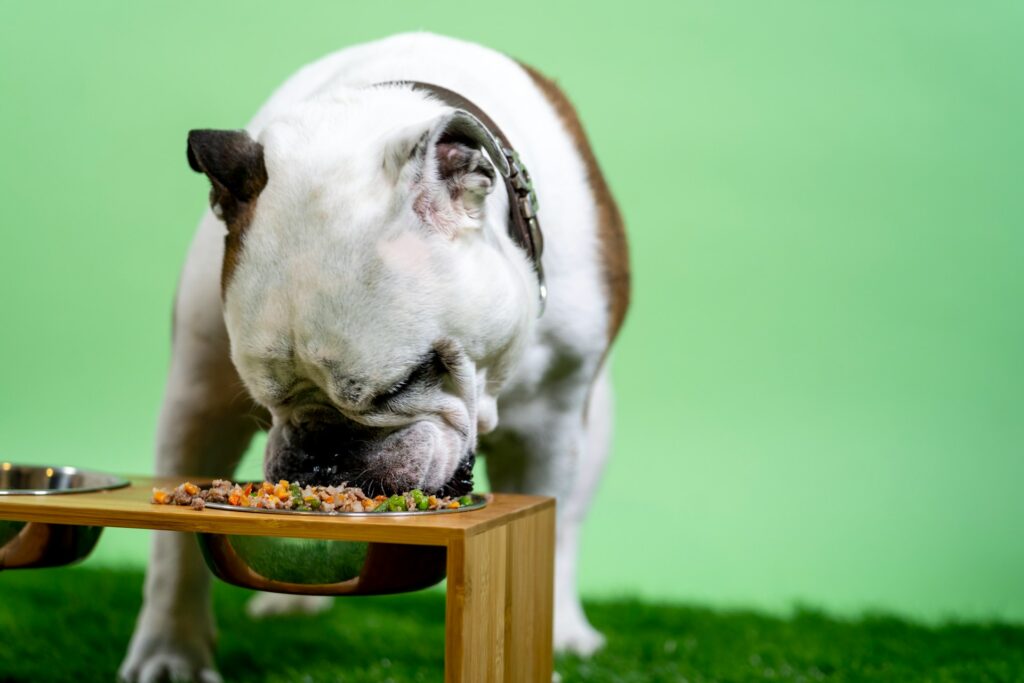 Can Dogs Eat Cereal
We will also recommend healthy dog treats and other alternatives to cereal, as these are safer for furry friends than human food.
For those still wondering what dogs and cereal mean, read on for whatever information is needed to help you decide on the question of dogs and cereal.
Understanding a Dog's Dietary Needs
Dogs have unique nutritional requirements that vary greatly from those of humans. A balanced diet is important for both health and well-being.
Proteins are dogs' primary nutritional needs. They provide essential amino acids critical to muscle-building and energy.
Carbohydrates also play an important role. While they can be an energy source, they should be kept to a minimum. Too many carbs may lead to weight gain.
Fats are also important, as they provide energy and help the body absorb nutrients. However, they need to be supplied in moderation.
Common fillers, like corn and wheat, should be avoided. These are found in cereal and do not add much nutritional value to the dog.
Dog Dietary Needs: A Quick Nutritional Checklist
- High protein intake
- Moderate fats
- Limited carbohydrates
- Essential vitamins and minerals
- Fresh water is always available
Knowing these basics will help you make better food choices for your dog, so always try to feed them a balanced diet tailored to their needs.
The Risks of Feeding Your Dog Cereal
While it might seem harmless, cereal poses some dangers to dogs, as most cereals are fictitious for human beings, not canines.
Most of the cereals have high sugar content. The high sugar in cereal, even in small portions, may cause diabetes and obesity.
The artificial sweeteners, most notably xylitol, are quite dangerous for dogs. Ingesting an amount even merely slightly higher than low can cause a drastic drop in blood sugar, massive damage to the liver, or even death.
Dogs should never be fed cereals containing chocolate flavoring. Chocolate contains theobromine, which is highly poisonous to dogs.
Various types of toxic nuts and raisins are sprinkled with certain cereals. Due to its toxicity, it can cause an immediate reaction and, in the worst case, kidney failure in dogs.
Milk accompanies many cereals; hence, it is wrong. Several dogs are lactose intolerant; hence, a very upset stomach can later process the cereal.
Even plain or simple cereals can still be harmful. These usually include other hazardous objects, additives, preservatives, and colorings that could be ingested.
Cereal Risks for Dogs: Potential Health Concerns
- High sugar levels
- Artificial sweeteners like xylitol
- Chocolate and other toxic ingredients
- Nuts and raisins
- Lactose from milk
- Additives and preservatives
You should know some dangers before feeding your dog cereal, so read this before feeding your dog cereal. There are times when you should always consult the vet to avoid causing your dog any harm. We will also discuss the importance of consulting a vet for dietary advice.
Sugar & Sweeteners: Dangers of High-Sugar Cereals
Many cereals are highly sugary and thus compromise your dog's health. A dog consuming a lot of sugar would ultimately become vulnerable to getting dental problems and might end up being diabetic.
But the threat does not end at sugar. Artificial sweeteners like xylitol are very toxic to dogs. When ingested, xylitol causes seizures, liver failure, or could even lead to death.
Just a tiny amount of xylitol can be very harmful. Dog owners must check the ingredient lists used in cereals before deciding on one.
It's important to note that even cereals not labeled 'sugar-free' can contain artificial sweeteners. So be very careful when giving dogs cereals. We will also provide tips on how to read cereal labels for dog safety.
It is best to avoid sugary cereals altogether and instead focus on alternatives that will not harm your pet's health.
Chocolate & Toxic Ingredients: Avoid These Cereals
Chocolate, with its theobromine content, can put dogs at risk. The substance acts on the cardiovascular and central nervous systems.
Some cereals are flavored with chocolate, and while appealing to us, can be deadly for dogs. Even small amounts of theobromine can be toxic.
On one hand, these cereals are sometimes mixed with caffeine. Caffeine, like chocolate, stimulates a dog's heart and nervous system.
Other harmful ingredients include nuts, especially those from the macadamia family, and raisins. Both cause severe reactions that make a dog quite ill and can even be life-threatening.
It is very important to avoid cereals containing any of these poisonous ingredients. Your dog's safety must always come first, making you feel protective and vigilant.
Lactose Intolerance: Dairy & Cereal Concerns
Cereal is commonly paired with milk, but the latter may not always be good for dogs. Most dogs lack the enzyme that breaks down lactose, so they cannot digest it.
Lactose intolerance in dogs can result in bloating, gas, and diarrhea. These digestive complaints can make milk more bother than it is worth.
In any event, the combination of cereal and milk is not the best for dogs; the cereal itself could already be sugared or laden with harmful additives.
The best bet for dogs is to avoid cereal and milk altogether. If there's any indication that your dog is lactose intolerant, stop giving them milk entirely.
Instead, offer some water and stick with nice dog treats consistent with their feeding requirements and welfare.
Plain Cereals: Are Rice Krispies & Others Safe for Dogs?
Rice Krispies is a commonly eaten cereal that many consider boring and plain. But can dog owners feed them to their pets? While Rice Krispies don't contain toxic ingredients like chocolate, they don't offer any real nutritional benefits for dogs.
Since they are primarily made of rice, these cereals lack essential nutrients that dogs need. Plain Rice Krispies can be given very small amounts, but moderation is key. They are high in carbohydrates, which can lead to weight gain if overfed.
Some plain cereals with minimal additives and low sugar may seem safe, but "plain" doesn't mean "nutritious." Feeding cereals like these too often can contribute to nutrient deficiencies over time. For a well-balanced diet, it's best to stick to food specifically formulated for canine nutrition instead of offering cereals.
Plain Cereal Nutrition: Limited Benefits for Dogs
Plain cereals may seem harmless, but their nutritional value for dogs is almost nonexistent. They are primarily composed of carbohydrates and generally low in protein. For instance, Rice Krispies does not provide the essential vitamins and minerals dogs need in the proper ratios.
Dogs require higher amounts of protein and healthy fats, which these cereals do not supply. While plain cereals may not contain harmful additives, they often serve as empty fillers with little to no nutritional benefit. Feeding them too often can lead to an unbalanced diet, potentially affecting your dog's overall health.
To ensure your pet receives all the essential nutrients, it's best to prioritize foods designed to meet their dietary needs. A well-rounded diet is key to maintaining their health and well-being.
Healthy Dog Treats: Safe & Nutritious Alternatives
When choosing treats for your dog, prioritizing health and nutrition is essential. Instead of human foods like cereal, opt for treats specifically formulated for canines. High-quality dog treats provide balanced nutrients that support overall well-being.
Lean meats, vegetables, and certain fruits offer essential vitamins and minerals, making them great natural snack options. For those looking to save on premium dog food, using an Ultimate Pet Nutrition promotion code can help you get the best deals.
Many commercial dog treats are designed with the ideal protein, fat, and fiber balance to support a healthy diet. However, portion control is key—overfeeding can lead to weight gain. Since dogs enjoy a variety of flavors and textures, choose treats made with natural, recognizable ingredients that complement their regular meals.
Nutritious Dog Treats: Healthy Options for Your Pup
- Carrot sticks: These are low in calories and high in vitamins.
- Apple slices (without seeds): These are sweet and full of fiber.
- Cooked pumpkin: It's great for digestion and rich in fiber.
- Lean, cooked meats: These provide essential proteins.
Such treats can excite your dog's diet more while ensuring nutritional value. Always check with your vet when introducing new treats to ensure they're suitable.
Homemade Dog Treat Recipes: Healthy & Delicious
Baking homemade treats is a wonderful way to engage with your dog. You control what goes into your recipes, ensuring that whatever is inside is safe and nutritious for your furry friend.
Oats, peanut butter, and pumpkin are common ingredients in simple recipes. These are usually well-accepted and have nutrients. You can bake homemade treats in the oven for crispness. However, sugar, salt, or other toxic ingredients must not be added.
Peanut butter is a very good dog treat. However, it must not contain xylitol, which harms dogs. Start with a small batch, and please observe how your acquaintances react to the new treats.
Introducing New Treats: A Gradual & Safe Approach
Introducing new treats into your dog's diet is a gradual process. It should be done by giving the dog a tiny piece and watching for subsequent reactions.
Some signs of possible allergies or upset digestive systems might be itching, vomiting, or diarrhea.
If no adverse reactions are noted, the amount can gradually be increased over a few days to help the dog's system adjust.
The treat should always complement the dog's regular diet and maintain proper balance to avoid nutritional imbalances or excess weight gain. You can check with the vet if the treat suits your dog's dietary needs.
Vet Opinions: Experts on Dogs & Cereal Consumption
Cereals usually don't fulfill dogs' specific nutritional needs, so veterinarians have always suggested caution when feeding dogs human foods. Experts say cereals often lack essential nutrients required by dogs.
Although some plain cereals do not harm dogs, feeding them is not good. Veterinarians advise careful reading of labels to check for harmful ingredients. Sugar, artificial sweeteners, and chocolate are especially dangerous for dogs.
It is always very important to consult the vet before giving food to a dog for the first time. Every dog is different, and what may work well for one dog may not be effective for another.
Cereal for Dogs: Is It a Safe Choice?
Generally speaking, it is unwise to feed cereal to dogs since many varieties have sugar or non-dog-friendly ingredients.
Rice Krispies, or plain cereals, are not harmful, but their lack of nutritional value makes them unsuitable for dogs, equating them to regular food. If they are given, it should be done with caution and not very often.
Make sure it has no harmful additives and is free of milk. Instead, go for healthy dog-specific treats that cater to your dog's needs. Always check with a vet to make sure your dog is okay.
Key Takeaways: Cereal & Dog Dietary Recommendations
Feeding cereal to dogs requires careful consideration. Limiting cereals in the diet is best while providing more wholesome treatment options.
Important Points: Cereal and Dog Health
- Most cereals are lacking in nutrition.
- Avoid cereals with sugar, chocolate, or lactose.
- Vet-approved snacks would be safer and more advantageous for dogs.
For a full rundown of what else to keep out of your dog’s bowl, see our guide to 20 foods harmful to dogs.