Is Zucchini Good for Dogs? Exploring the Health Benefits
Zucchini for Dogs: A Healthy Veggie Treat?
Table of Contents
- 1 Zucchini for Dogs: A Healthy Veggie Treat?
- 2 Thinking Green? Exploring Zucchini for Your Canine Companion
- 3 Power-Packed Veggie: The Nutritional Profile of Zucchini
- 4 Healthful Hound: Potential Benefits of Zucchini for Dogs
- 5 Skin Deep: Can Dogs Eat Zucchini Skin?
- 6 Prep Preferences: Raw vs. Cooked Zucchini for Your Dog
- 7 Getting Started: How to Introduce Zucchini to Their Diet
- 8 Kitchen Creations: Homemade Zucchini Dog Treats
- 9 A Word of Caution: Precautions and Potential Side Effects
- 10 Conclusion: Final Thoughts on Zucchini for Dogs
- 11 Your Zucchini Questions Answered: FAQs
As a responsible pet owner, you want to give your dog the best care possible and provide a wholesome diet to sustain its health.
Thinking Green? Exploring Zucchini for Your Canine Companion
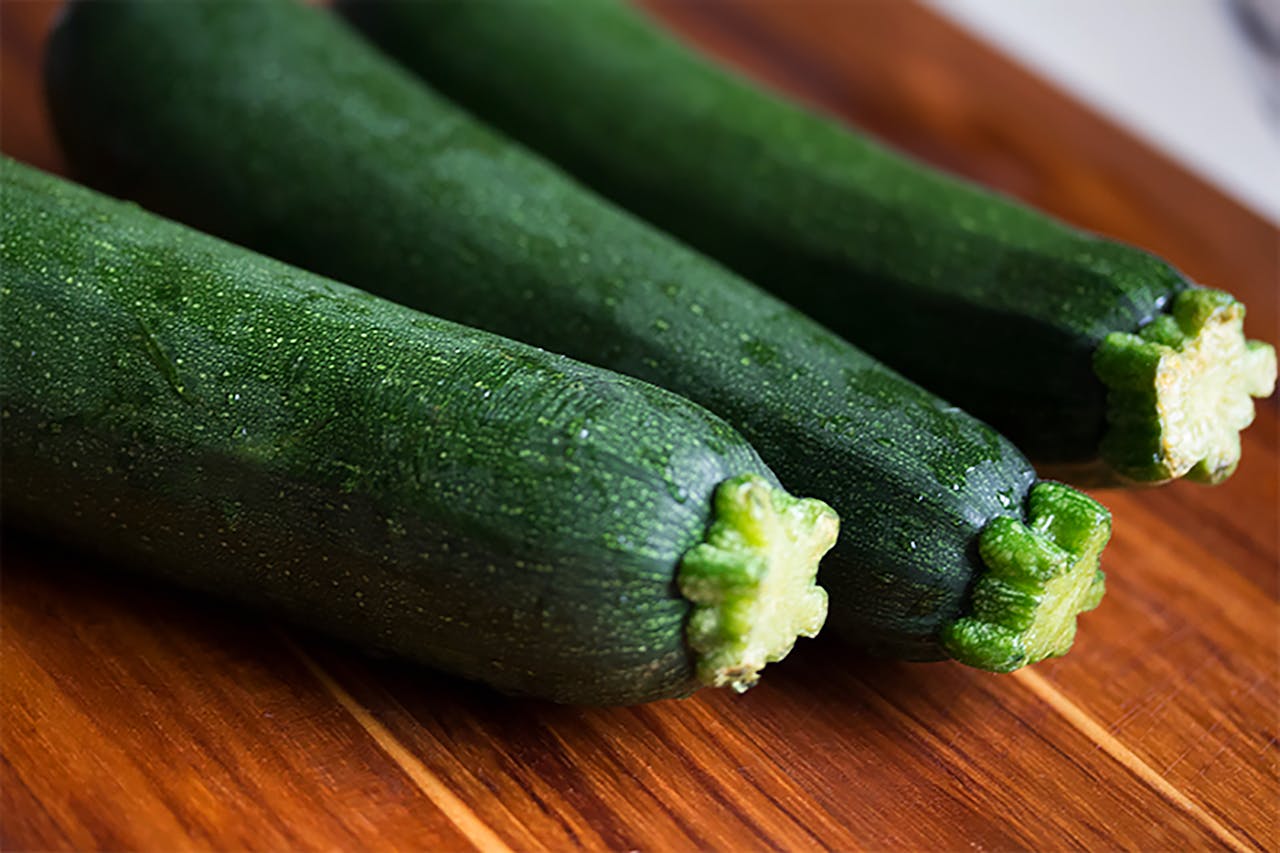
Zucchini, a type of summer squash, is a very versatile vegetable that is just as good for dogs as it is for people. Zucchini has many essential vitamins and minerals that boost dogs’ health.
This article will outline the positive health benefits of zucchini for dogs and answer common questions like, “Can dogs eat zucchini skin?” and “Is raw zucchini good for dogs?”
We will explain why zucchini can be a good addition to your pet’s diet. So, let’s start and check it out!
Is Zucchini Safe for Dogs?
Absolutely. Zucchini is not just safe; it’s an ideal snack for your furry friend. This low-calorie vegetable is particularly helpful for dogs that need to maintain a healthy weight, giving you the confidence that you’re making a safe and healthy choice for your pet.
With its high water content, zucchini helps keep dogs hydrated, especially in warmer weather. It is also non-toxic, which is helpful for pet owners who are worried about safety.
Zucchini offers different nutritional benefits when given to dogs raw or cooked. When preparing zucchini for your dog, serve it plain and free from oil or spices. You can steam or boil it to make it easier for your dog to digest. This versatility empowers you to get creative with your pet’s diet, catering to your dog’s unique tastes while ensuring it’s safe and healthy.
When introducing new food to your dog, starting with a smaller portion is crucial. This cautious approach, coupled with the gradual introduction of zucchini, allows you to monitor for adverse reactions, ensuring a responsible and safe transition for your pet.
Overall, given in moderation, zucchini can be a healthful addition to your dog’s diet, keeping it balanced. However, it’s important to be aware of potential side effects. While zucchini is generally safe for dogs, some may experience digestive issues if they eat too much at once. These issues can include diarrhea or stomach upset. Slowly and in moderation, introducing zucchini can ensure a responsible and safe transition for your pet.
Power-Packed Veggie: The Nutritional Profile of Zucchini
Zucchini is a nutritional powerhouse for your dog. Packed with vital nutrients, this low-calorie vegetable is a great addition to any dog’s diet, especially those looking to shed pounds. Its high fiber content promotes regularity and prevents constipation, while its rich vitamin and mineral profile, including vitamin C, potassium, and magnesium, supports overall health. Knowing these nutritional benefits empowers you to make informed decisions about your dog’s diet.
This veggie also contains wonderful vitamins and minerals. The main vitamins are vitamin C, potassium, and magnesium. Vitamin C is a well-known immune booster that helps your dog fight off illness or infection. Potassium is used for muscle and nerve function, and magnesium is used for energy production.
Here is a breakdown of the types of nutrients found in zucchini:
- Vitamin C: Boosts the immune system
- Potassium: Health of muscles and nerves
- Magnesium: Energy production
- Fiber: Assists with digestion
- Antioxidants: Protect against free radicals
The antioxidants found in zucchini also enhance its nutritional content. Antioxidants combat free radicals, reducing oxidative stress in your dog’s body and decreasing its chance of developing chronic diseases.
Overall, zucchini adds another great source of nutrients to your dog’s diet. Adding zucchini into your dog’s diet as a treat or supplement will boost their daily nutrient intake in a flavorful way with various tastes.
Healthful Hound: Potential Benefits of Zucchini for Dogs
Zucchini provides numerous health advantages that may improve your dog’s health. First and foremost, the fiber content of zucchini is beneficial for normal digestion. In this case, zucchini is beneficial because it is high in fiber content, which increases fiber in the diet. It can assist in preventing constipation and keeping your dog’s digestive tract in the best condition possible.
Furthermore, zucchini is a low-calorie food, which makes it a great vegetable to feed your dog if they are on a diet or obese. Zucchini is so low in caloric density that you can provide it as a treat without any concerns about weight. The zucchini supplement is a first consideration because it offers a satisfying treat to help your dog snack between meals.
Moreover, zucchini is high in antioxidants, which help support your dog’s immune system. Antioxidants combat free radicals, potentially leading to cellular damage. Antioxidants may limit, to some extent, your dog’s chances of developing a disease, not only limiting the potential for chronic diseases.
With that said, here are some potential health benefits of zucchini for dogs:
- Promotes digestion. Thanks to the high fiber content
- Supports Weight Management. Zucchini is low in calories and fat
- Supports Immunity. Zucchini has antioxidants and vitamin C.
- Promotes hydration. Strong water content helps keep dogs hydrated.
- Supports Healthy Vision. Zucchini has beta-carotene for eye health.
Additionally, vitamin C helps to improve your dog’s immunity, ultimately helping to protect your dog from illness. Vitamin C is a vital nutrient in tissue repair and growth of the human body. Potassium also helps to manage your dog’s blood pressure, which can help maintain health and long-term cardiovascular functioning.
Zucchini also benefits from its high water content, providing another means of hydration for your dog, particularly during the summertime when it may be necessary to keep it cool. Zucchini is a natural means of ensuring your pet can get suitable fluids throughout the day.
Along with all these benefits, zucchini is also filled with beta-carane, which is essential for good eyesight. Beta-carotene is a precursor to vitamin A, which is also essential for eye health and preventing dog night blindness. Ultimately, this ensures that your dog’s eyes are healthy and that vision is intact.
In summary, zucchini can be vital to your dog’s well-being. Introducing a healthy vegetable such as zucchini into their diet may increase immune function, help with healthy digestion, and support overall health. Whether you provide it as a treat or health supplement, it’s a considerable component to include in your pet’s diet, leaving you confident and satisfied with your decision.
In addition to adding nutritious foods such as zucchini to your dog’s diet, consider high-quality supplements to balance your dog’s overall health. Dog owners interested in improving their dog’s wellness and potential should reach out for savings on Yumove offers so their four-legged friend can stay active and healthy for many more years.
Skin Deep: Can Dogs Eat Zucchini Skin?
Many dog owners ask whether or not zucchini skin is safe for their dogs. The good news is that, in general, dogs can eat zucchini skin safely. Just be sure to wash it off to eliminate any pesticides or chemicals.
Zucchini skin is also good for your dog because it adds fiber and other nutrients. So now you can add zucchini skin to your dog’s diet, and your dog will get some additional fiber and nutrients. The fiber can certainly help dogs with digestion and maintain a healthy gut.
While zucchini skin is safe for dogs, some may have difficulty digesting it. If your dog has never had zucchini, it is best to start with small amounts. Watch your dog for any signs of discomfort after eating zucchini.
If unsure about the possible pesticide residue, try organic zucchini instead. Organic zucchini gives you the chance to have less chemical exposure and is likely a safer option for your beloved doggie. But if you still have questions about feeding zucchini skin to your dog, do not hesitate to contact your veterinarian.
Prep Preferences: Raw vs. Cooked Zucchini for Your Dog
The choice between feeding dogs zucchini raw or cooked can change its digestibility. Zucchini is safe to feed dogs raw; however, it may be more difficult to chew on. Raw Zucchini has more crunch, which some dogs might like as fresh, raw food.
Likewise, cooked zucchini will be easier to digest. Cooking will break it down and make it easier for your dog’s stomach to handle, benefiting dogs with sensitive digestive systems.
When feeding raw zucchini, the most important thing to remember is to give your dog small and safe-sized pieces. This will help prevent choking hazards and make it easy for your dog to chew.
When cooking zucchini, skip the oil, seasonings, and added fats. Cooked plain zucchini has retained all of the nutrients of zucchini while offering nothing unnecessary.
Both raw and cooked zucchini are healthy, as both contain vitamins and antioxidants. However, the decision should be based on your dog’s preference and digestive tolerance. Lastly, in any form, always start feeding in moderation and gradually see how your dog’s system reacts.
The bottom line is that raw and cooked zucchini are acceptable for dogs, but consider your dog’s chewing ability and digestive tolerance. When feeding either form, exercise caution and watch for any signs of digestive distress.
Getting Started: How to Introduce Zucchini to Their Diet
When you introduce zucchini into your dog’s diet, it’s best done slowly. Rather than handing your dog a whole zucchini, you will want to start with small amounts to see your dog’s reaction. The dog may get digestive upset because digestion impacts the behavior of sudden changes in diet.
You should also introduce zucchini as an occasional treat while your dog adjusts to feeding on it. This way, you can see if the dog reacts to the zucchini as you gradually have the dog try more of it over time.
Here is a plan to help you feed zucchini to your dog:
- Try feeding your dog a few pieces of raw or cooked zucchini.
- Watch to see if your dog has any reactions to the vegetable.
- If things go well, try to increase the portion over time.
You should also be careful that the pieces of zucchini are appropriately sized according to the breed or size of your dog so that your dog does not choke and also aids in digestion. Take your time, and ensure you are aware of your dog’s health as you introduce this vegetable to your dog and if any allergies arise. If your dog has allergies or digestive problems, you should take your dog to a veterinarian immediately.
Kitchen Creations: Homemade Zucchini Dog Treats
Making homemade zucchini dog treats can be a fun and healthy option for your dog. These are a better choice than commercial treats. In addition, they are easy to make at home.
When making the dog treats, use fresh, organic zucchini free of pesticides. Buying fresh organic zucchini will help you keep your dog healthier. Wash your zucchini thoroughly before you use it.
Here’s a simple recipe that you can try:
- Grate 1 medium zucchini.
- Mix with 1 cup whole wheat flour and one egg.
- Shape into small treats and bake at 350°F for about 15 minutes.
These treats should go in an airtight container to ensure freshness. You can keep these treats in the freezer to prolong their shelf-life. Treats should only be a small part of your dog’s diet. Enjoy making these easy and delicious treats that contribute to your dog’s health.
A Word of Caution: Precautions and Potential Side Effects
Zucchini is generally a safe food option for dogs, but as with any new food, it should only be fed in moderation. Too much zucchini can also cause gastrointestinal upset (your dog may have diarrhea). You should also remember that zucchini is a small part of their diet.
Also, you should always be on the lookout for allergies or intolerances your dog may have. Allergies may show up as symptoms such as itching or digestive upset.
Conclusion: Final Thoughts on Zucchini for Dogs
Zucchini is a nutritious, low-calorie vegetable that greatly benefits your dog’s diet. Its vitamins, minerals, and fiber support the digestive and immune systems. Plus, zucchini is a healthy alternative to higher-calorie treat options and works just fine as a treat.
Still, it is important to remember that moderation and variation are key. You can use zucchini as a treat, but you do not want it to compromise a balanced diet that addresses all needs.
You want to ensure that your dog is eating zucchini properly so that it benefits from it and does not create any upsetting experiences. Look out for any negative reactions in your dog after feeding, and consider talking to your vet for dog-specific dietary advice. Feeding zucchini can be a useful experience for you and positively beneficial for your dog.
Your Zucchini Questions Answered: FAQs
Can dogs eat raw zucchini?
Yes, dogs can eat raw zucchini. Raw Zucchini is a crunchy food that can give your dog the benefits of nutrients in the fruit and the crunch when fresh.
Before serving, cut the zucchini into small pieces to prevent choking. Wash it before giving it to your dog, and ensure it is pesticide-free (if you do not grow it yourself).
How much zucchini can I give my dog?
Like all vegetables, moderation is the key when feeding zucchini to your dog. Keep it as less than 10% of their daily caloric intake.
Start with small amounts and observe your dog’s response. This will prevent your dog from experiencing digestive challenges after eating zucchini.
Are there any vegetables similar to zucchini that dogs can eat?
Yes, carrots and cucumbers are similar foods to zucchini. Like zucchini, they provide a low-calorie food option with high dog nutrients.
The crunchy texture of these vegetables also appeals to many dogs, adding variety to their diets.