Why Is Your Cat Meowing Loudly All Of A Sudden?
The Midnight Meows: Decoding Why Your Cat is Meowing Loudly
Table of Contents
- 1 The Midnight Meows: Decoding Why Your Cat is Meowing Loudly
- 2 Speaking Feline: Understanding Cat Communication
- 3 The Volume Turned Up: Common Reasons for Loud Meowing
- 4 Special Situations: Understanding Unique Cases of Loud Meowing
- 5 Finding the Quiet: Managing and Reducing Excessive Meowing
- 6 Conclusion: Strengthening Your Bond Through Deeper Understanding
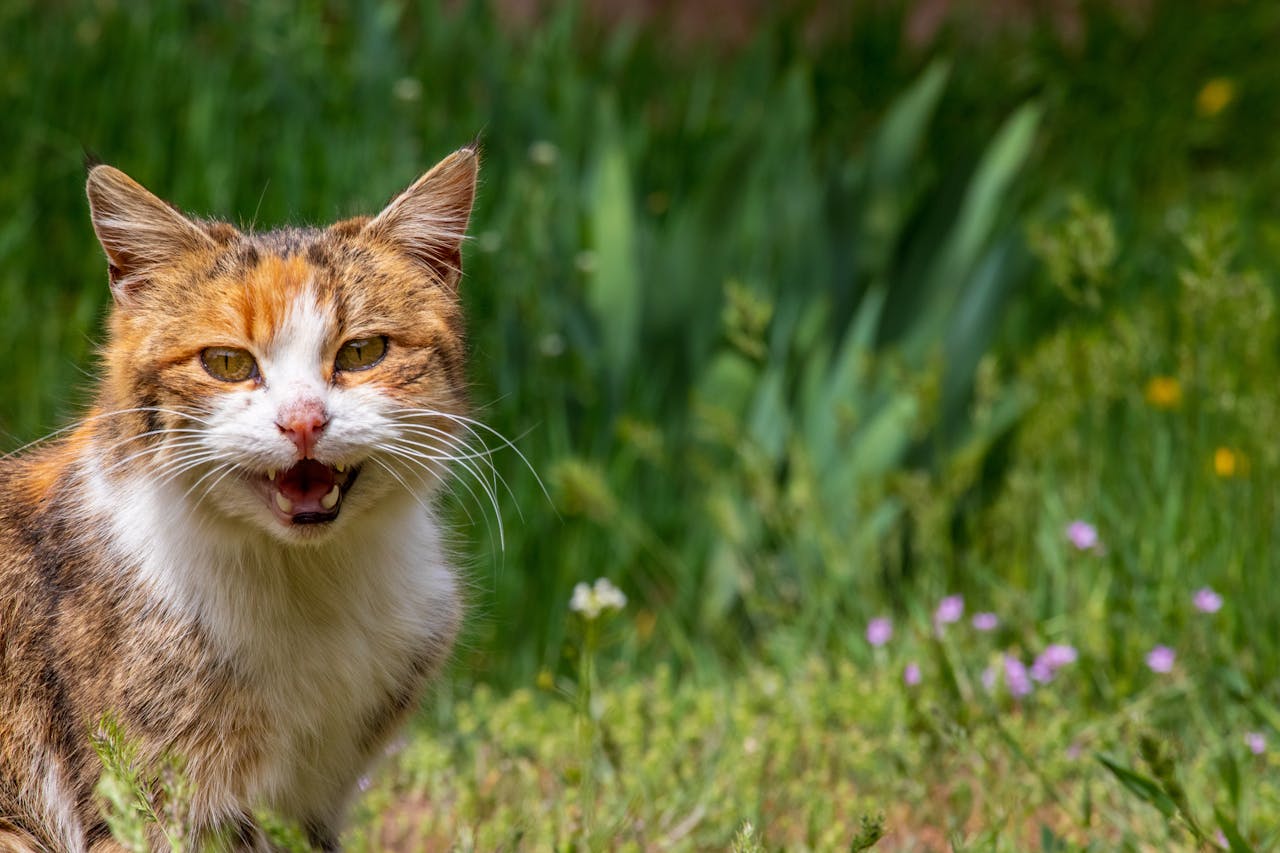
Cats are known for being weird creatures. Their vocalizations, especially loud and non-stop ones, can be quite fascinating.
If you are a cat parent, you have likely wondered, “Why is my cat meowing so loudly?” This is a common dilemma.
Figuring out the reasons behind your cat’s loud meowing can be complicated. Although it is a form of communication, it often seems like an abnormal sound or scream.
A cat’s loud meow can indicate many things, from an immediate need to a potential health problem. Cats use loud meows to communicate; deciphering their vocal clues is vital to your cat’s well-being.
In this article, we will examine cat communication, the reasons why cats meow, the reasons why cats meow excessively, and tips on how to deal with excessive meowing if you are a cat parent learning to improve your cat’s communication by understanding all the sounds that stem from their attempts at traditional and non-traditional communication.
By the end of this article, you should understand why your cat is meowing so loudly and what to do about it.
Speaking Feline: Understanding Cat Communication
Cats communicate with humans in multiple ways, including loud vocalization. They infrequently call at or meow with each other; therefore, meowing is a special communication medium with humans. Pitch, length, and volume variations can occur, resulting in the same meowing indicating a different message. Thus, it is beneficial for cat owners to understand these slight variations in calls or sounds made by their cat and correlate these verbalizations with their cat’s needs or feelings.
Not all meowing indicates a problem with the cat. A loud meow can indicate many things that do not imply anything negative, including happiness or excitement. If you can couple their vocalizations with context and body language, there are more clues about their communication.
It’s important to remember that some breeds of cats, such as Siamese, are naturally more vocal than others. Understanding this genetic predisposition can help you avoid misinterpreting your cat’s meowing and set realistic expectations. This knowledge can provide reassurance, helping you feel more at ease and less worried about your cat’s behavior.
Learning to decode your cat’s meowing is a process. For instance, each cat has a different personality, or level of moodiness, and any other unique lifestyle habits that suit your cat. After much observation to figure out what they are meowing about, you will better understand your pet in any subtlety they are involved in.
The Volume Turned Up: Common Reasons for Loud Meowing
Cats meow for several reasons, and recognizing why your cat is making noise is the first step in modifying the behavior. Here are a few reasons cats may meow loudly:
- Attention seeking: Cats meow loudly to gain their owner’s attention.
- Hunger or thirst: A boisterous meow could be an attempt to communicate a desire for food and/or water.
- Physical discomfort: Loud vocalizations may be how your cat communicates pain or illness.
- Stress and anxiety: A change in environment can produce anxious behaviors that include vocalizations.
- Breeding behaviors: A cat’s level of meowing can vary based on hormonal activity resulting from a breeding situation.
These common factors can help you identify the cause of loud vocalization. Each problem may require a different management approach. Owners should consider context, timing, and any new stimuli contributing to their animal’s behavior.
“Look at Me!” Seeking Attention or Food
Cats are social creatures that need interaction. They may let out loud meows to get your attention. This vocalization may be related to wanting companionship or wanting to play.
A loud meow from your cat could be a sign of hunger, especially if they have an irregular feeding schedule. Establishing a good feeding routine can help prevent this behavior. By feeding your cat at the same times each day, you can reduce their need to vocalize for food.
A Cry for Help: Health-Related Issues
Occasionally, loud meowing can signal trouble, like dental pain or arthritis that causes changes in behavior, such as being more vocal. Cats vocalize to communicate with humans and may meow loudly to communicate pain or frustration to catch your attention. Giving your cat quality food is essential to overall health and can help prevent health problems. If you want to provide the best for your pet or animal friend, take advantage of an Ultimate Pet Nutrition discount code to stay healthy with food for special dietary needs.
As a cat ages, it may hear louder things, like humans, get confused, and not recognize where it is about others around it. Increased meowing is common with some cognitive decline. Owners should pay attention to changing meowing behavior as a potential health issue. Seeing a veterinarian regularly is an important aspect of identifying and solving health issues early on.
When your pet suddenly starts meowing loudly, you should see a veterinarian soon. A veterinarian can identify or rule out health problems that may need treatment. Pet owners can be good pet parents by noting changes in behavior and monitoring health concerns for their pets’ well-being.
Unsettled Spirits: Stress, Anxiety, and Environmental Changes
If your cat meows excessively, stress and anxiety may be contributing. Moving to a new home or adding a new family member can create anxiety for your cat. Cats are creatures of habit and, therefore, typically appreciate a stable environment.
Meowing related to anxiety typically occurs when the cat is in an unstable environment. This may lead to loud vocalizations, but let’s be honest, it is usually just a way of coping. Providing a safe and comforting space for your cat can help ease meowing in times of stress.
Another effective way to reduce anxiety and manage excessive meowing is through environmental enrichment. By providing your cat with toys, creating an interactive play space, or offering mental stimulation, you can significantly reduce stress factors and contribute to your cat’s comfort. This approach empowers you as a cat owner, giving you the tools to manage your cat’s behavior and create a harmonious living environment.
The Call of Nature: Breeding Behaviors and Hormonal Influences
Unspayed and unneutered cats are loud, especially when voicing mating calls. When a cat is in heat, it can make lots of noise when calling in mates. While not an uncommon behavior, it can be stressful for you and your pet.
If your pet is altered, spayed, or neutered, there will likely be less hormone-driven noise making. There are health benefits to having your cat altered, but you can also help mitigate your cat’s meowing due to heat because your cat will be more relaxed.
Special Situations: Understanding Unique Cases of Loud Meowing
Your cat can become very vocal in specific circumstances. Recognizing a special case will help you react appropriately. Knowing the context of your cat’s meowing is especially important in these situations.
Emotional distress is likely the most common cause of loud meowing. As sensitive creatures, cats feel changes in their environment much more deeply than humans do. When there is a major change, their vocal behavior may switch, too.
Sometimes, what affects your cat is outside (not an outside cat) of its habitat. A new cat on the street or a new life event can influence how your cat feels secure. These external factors can affect rhythms and further emphasize the importance of recognizing special cases in the presence of excessively loud meowing.
Special cases require special responses. Examining the cause and changing/collaborating on the situation can help remediate your cat’s distress. Each special case requires observation and action on behalf of an owner!
Empty Paw Prints: My Dog Died, Now My Cat Keeps Meowing Loudly
The experience of losing a pet can have a profound impact on a cat. If your pet were a companion animal, such as a dog, the loss could create a transition to mourning. A customary way of dealing with emotions is to express them through loud and frequent meowing.
While your cat could sing songs of loneliness or confusion, you may be comforted knowing it will get past this emotional period. You can comfort your cat by giving it time and attention, and you could decrease the crying by introducing some new activity as a distraction for your pet. Patience and time are required to get them through a time of adjustment.
Nightly Serenade: Stray Cat Meowing Loudly at Night
When you encounter a stray cat, it’s common for it to make a lot of noise at night. Cats can meow for various reasons, such as distress, social demands, etc., and during the night, it can be more noticeable and disruptive to your life.
When stray cats meow, they ask for food, shelter, social company, or to connect with potential mates or other stray cats. Being mindful of their needs can help reduce the meowing, which might mitigate nighttime social demands and noise.
If you choose to provide food, shelter (as long as it is safe), or other needs, that may reduce their vocal operational demands. You don’t want to pursue any of this if it would be reckless or imprudent, and every effort should be undertaken to avoid creating dependency. A balanced approach will enhance the relationship for all parties involved.
Finding the Quiet: Managing and Reducing Excessive Meowing
Dealing with an overly vocal cat requires patience and understanding. The first step is to determine the cause of your cat’s meowing. Your observations will help you determine what your cat wants or needs.
Consistency is vital to managing noisy meowing. Consistency gives your cat a sense of security, and a daily routine can help them to feel some of that security. If your cat has predictable routines based on predictable schedules, like feeding, playing, and resting, it can help ease their anxiety levels.
Another effective way to reduce vocalization is to enhance your cat’s environment. New engaging toys and the introduction of other activities, such as puzzle feeders, will help alleviate your cat’s boredom. Mental stimulation reduces the frequency of ongoing vocalizational demands.
Finally, respond to your cat’s vocalizations. Pay attention to your cat’s different meows. Understand what the voice signal means to your cat. You will develop an understanding of the various meows, and your responses through the learning process will enhance your bond.
Predictable Peace: Establishing Routines and Providing Enrichment
Establishing a routine can be incredibly beneficial in decreasing a cat’s loud meowing. Cats function better when they can predict their environment, which is a great way to reduce their stress. Meal times and playtime are the two biggest contributors to an unchanging routine.
Introduce enrichment along with routine, as they are equally important. As mentioned earlier, toys that stimulate the cat mentally and physically provide an invaluable form of stimulation. Puzzle feeders, climbing structures, and interactive play will mentally tire the cat by engaging them.
When to Seek Expert Advice: Consulting a Veterinarian
Managing meowing is possible at home in most situations, but there will be times when you need professional assistance. If your cat suddenly vocalizes more, which is out of the ordinary for them, it may denote a health issue. Call your veterinarian if the loud meowing coincides with your cat’s appetite or behavior changes.
Veterinarians are trained to conduct examinations that can eliminate any medical reason for excessive meowing. Voice level could be associated with a medical condition such as hyperthyroidism or sensory decline due to aging. The quicker the diagnosis is made, the quicker you can begin treatment, and hopefully, the cat will be relieved of excessive meowing.
Conclusion: Strengthening Your Bond Through Deeper Understanding
Understanding the loudness of your cat’s meowing is essential to enjoying a positive relationship. Understanding your cat’s vocalizations helps you to meet their needs and improve everyone’s quality of life together. It reduces the amount of frustration experienced by both people and cats.
A cat’s meow is a personalized reflection of its individuality and communication. Identifying the subtleties of how your cat vocalizes engages the uniqueness of its communication. When you listen, respond appropriately, and stimulate them, you grow and foster the bond between you. It is a two-way understanding of each other with respect, building a bond, allowing you and your cat to have a happy and relaxed home life!