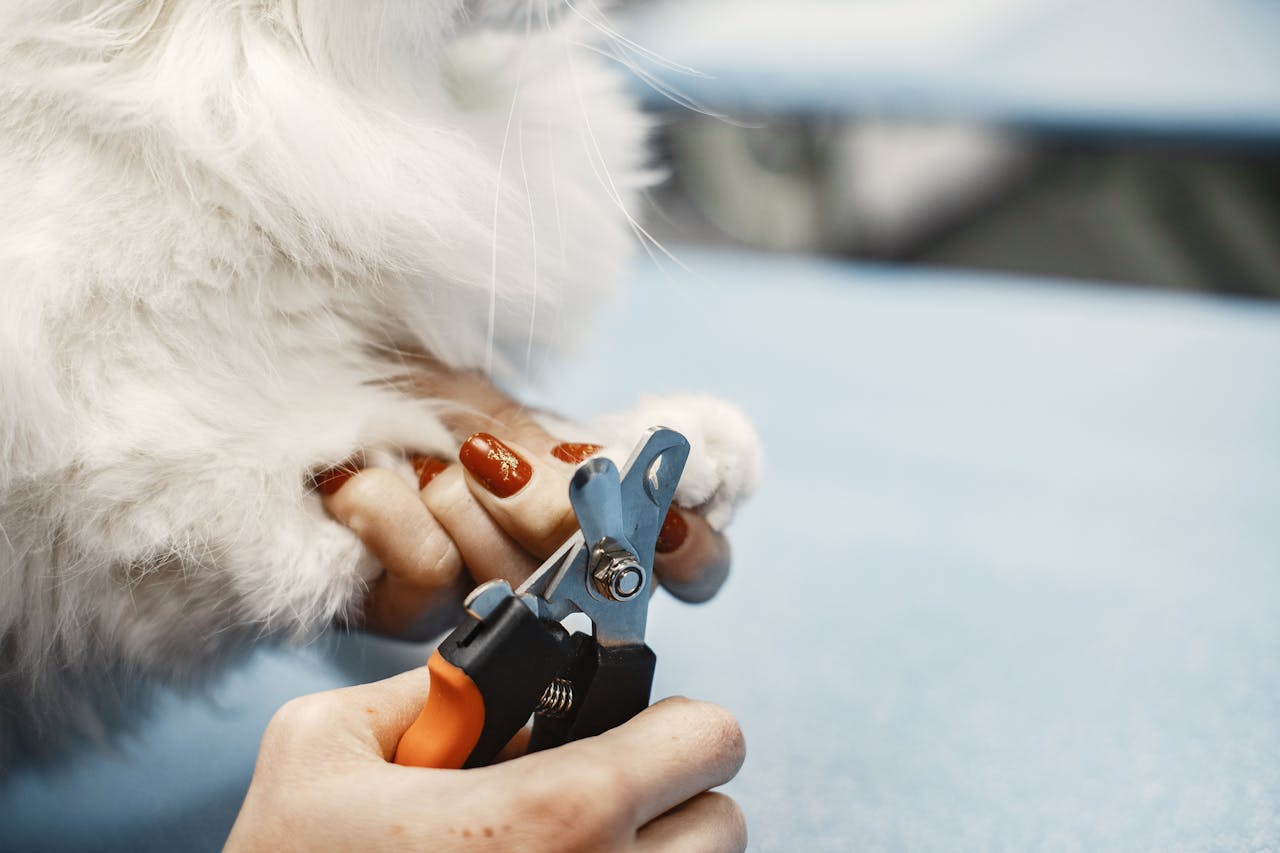
How to Trim Cat Nails: Pro Groomer’s Step-by-Step Guide
How to Trim Cat Nails Step-by-Step Tips From a Professional Groomer
Cats nails need to be trimmed but you might not be doing it because it can feel overwhelming and is often neglected. Trimming your pet cat’s nails is an essential part of being a pet parent.
It is important to know how to correctly trim your cat’s nails so your cat is comfortable and not in pain and you can do it safely.
This article will give you expertise in trimming nails like a professional. It will aid in lowering the stress surrounding nail trimming for both you and your cat.
We will cover how to cut your cat’s nails safely, the best environment to make your pet calm, the proper tools needed, and how to safely hold your cat for all aspects of the task.
You will learn what to do if you meet challenges while trimming, like if you happen to cut the quick.
At the end of the article, you are going to learn the skills to maintain your cat’s nails.
Understanding the Importance of Nail Trimming
Table of Contents
- 1 Understanding the Importance of Nail Trimming
- 2 Preparing for the Nail Trimming Session
- 3 Selecting the Right Tools
- 4 Creating a Calm Environment
- 5 Familiarizing Your Cat with Nail Trimming
- 6 Step-by-Step Guide to Trimming Your Cat’s Nails
- 7 Holding Your Cat Properly
- 8 Identifying the Quick
- 9 The Trimming Process
- 10 Handling Challenges During Nail Trimming
- 11 Dealing with Resistance
- 12 What to Do If You Cut the Quick
- 13 Aftercare and Maintaining a Routine
- 14 Rewards and Positive Reinforcement
- 15 Setting a Trimming Schedule
- 16 When to Seek Professional Help
- 17 Conclusion and Final Thoughts
Regular nail trimming plays a crucial role in your cat’s overall health. Overgrown nails can cause discomfort and pain, leading to behavioral issues.
Untrimmed nails may curl back into the paw pads. This can lead to painful infections or mobility problems for your cat.
By keeping your cat’s nails at a healthy length, you help prevent damage to furniture and fabrics. Scratched couches and carpets are less of a concern when your cat’s nails are managed.
Regular trimming also minimizes the risk of injuries to you and your family. Cats with long nails can accidentally scratch during playtime or affectionate moments.
Preparing for the Nail Trimming Session
Preparation is key to a smooth nail trimming session with your cat. Before starting, gather all the essentials you’ll need.
A checklist can help organize your session. Make sure you have everything in one place before bringing your cat to the trimming area.
- Cat nail clippers
- Styptic powder or pencil (in case of bleeding)
- Treats for rewarding
- A towel or soft blanket
Ensure you have enough time set aside. Rushing can cause anxiety for both you and your cat.
Patience is vital during preparation. This is as much a mental task as a physical one, setting the tone for the session.
Lastly, be consistent. Regular trimming sessions will make the process familiar, reducing stress over time.
Selecting the Right Tools
Choosing the appropriate tools is essential for effective cat nail trimming. Scissor-style clippers or guillotine-type trimmers work well.
Select tools designed for cats, as they provide better control and safety. Human nail clippers can cause splitting or crushing of the nails.
Keeping your tools in good condition ensures smooth cuts. Always ensure they are clean and sharp before use.
Creating a Calm Environment
Creating a calm environment can significantly affect how smoothly the trimming session will go. Choose a quiet room away from distractions.
Comfort is crucial. Place your cat on a familiar soft surface, like a favorite blanket or cushion, to help them relax.
Speak to your cat in a gentle, soothing tone to reassure them throughout the process. This helps them feel safe and less anxious.
Familiarizing Your Cat with Nail Trimming
Familiarizing your cat with the nail trimming process is a gradual and essential step. Start by gently touching and handling your cat’s paws during quiet moments.
Let your cat sniff the nail trimmers or other tools to reduce their fear. This exposure helps your cat associate these items with safety and calmness.
Introduce short, positive sessions without trimming initially. Focus on making your cat comfortable with the sensation of having their paws handled.
Reward your cat with treats and praise for staying relaxed. Positive reinforcement helps create a pleasant association with the trimming process.
Step-by-Step Guide to Trimming Your Cat’s Nails
Trimming your cat’s nails can be stress-free with the right approach. Follow these steps for a smooth experience:
- Prepare your tools: Have clippers, a towel, and treats ready.
- Create a calm setting: Ensure the environment is quiet and free from distractions.
- Hold your cat securely: Gently but firmly, grip your cat for support.
- Expose a paw: Press gently on the pad to reveal the claws.
- Identify the quick: This is critical to avoid pain and bleeding.
- Trim carefully: Cut the tip of the nail without touching the quick.
- Reassure your cat: Use a soothing voice throughout the process.
- Reward and release: Offer treats and release your cat promptly.
Take your time with this process, as rushing can cause anxiety. Ensure each nail is trimmed gradually for the best results.
Understand that each cat varies in comfort with trimming. Be patient and adjust your approach based on your cat’s reactions. Consistency and calmness will make future sessions easier.
Holding Your Cat Properly
Properly holding your cat is pivotal for safety during trimming. Start by positioning the cat on your lap, facing away from you.
Gently wrap your arm around the cat’s body for support. Securely hold a paw with one hand to expose the nails.
Maintain a firm but gentle grip. This minimizes movement without making your cat uncomfortable.
Identifying the Quick
Identifying the quick is key to avoid hurting your cat. The quick contains blood vessels and nerves, so cutting it is painful.
In lighter nails, the quick appears pink and is easy to spot. For cats with darker nails, a flashlight may help reveal the quick.
Always trim away from the quick. Leaving a small buffer prevents accidental cuts and keeps your cat stress-free.
The Trimming Process
Begin trimming by holding the paw steady in your hand. Use sharp, clean clippers for a quick and efficient trim.
Align the clippers to cut at a slight angle away from the quick. Make a quick, confident snip at the nail’s tip.
After cutting, gently file sharp edges if necessary. Praise your cat often, providing calmness and reassurance throughout.
Handling Challenges During Nail Trimming
Trimming cat nails may not always go as planned. Cats can become resistant for various reasons. Recognizing and addressing these challenges early is beneficial.
Patience is crucial when dealing with a squirming cat. Sometimes, taking small breaks can ease tension for both you and your pet.
If your cat shows signs of distress, it may be best to pause. Create a positive, calming environment with soft words and treats.
Use treats as encouragement throughout the process. This can transform nail trimming into a more positive interaction for your cat.
Dealing with Resistance
Resistance is common, but manageable with the right methods. Gently reassure your cat while trimming.
Use the slow and steady approach. Each small success builds your cat’s comfort and confidence over time.
What to Do If You Cut the Quick
Accidents may happen, and cutting the quick is painful for your cat. Remain calm if this occurs.
Quickly apply styptic powder to stop bleeding. Offer gentle reassurance to soothe your distressed feline.
Aftercare and Maintaining a Routine
After trimming, observe your cat’s paws for any signs of discomfort. This quick check can prevent future issues. Engage in a soothing activity with your cat. Consider rewarding them with treats or even exploring options for high-quality pet care products that can enhance their well-being. You might even find great offers, like a Pet Releaf coupon code, to ensure you’re providing the best products for your beloved pet.
Consistency is key for successful nail trimming. Regular sessions can make your cat more at ease over time. Celebrate every minor achievement. Praise your cat’s progress to encourage cooperation during future trims.
Rewards and Positive Reinforcement
After trimming, reward your cat with a favorite treat. This reinforces positive associations with the activity.
Keep treats handy during sessions. They act as both motivation and reward, helping your cat remain calm.
Setting a Trimming Schedule
Create a regular trimming schedule for your cat. Aim to trim every few weeks to maintain optimal nail health.
Each cat is unique, so adjust the schedule based on growth rate and activity level. Stay observant and flexible.
When to Seek Professional Help
If you find yourself struggling to trim your cat’s nails safely, consider professional help. Groomers have the expertise to handle difficult situations.
Notice any signs of infection or unusual nail growth? Contact a veterinarian immediately. They can diagnose and treat potential health issues.
Grooming services can also help if your cat is exceptionally anxious. Their experience might make the process smoother and less stressful for your feline friend.
Conclusion and Final Thoughts
Regular nail trimming is vital for your cat’s health and comfort. With practice, you’ll build confidence and skill.
Remember, patience is key. A calm approach makes the experience pleasant for both you and your cat. Happy trimming!