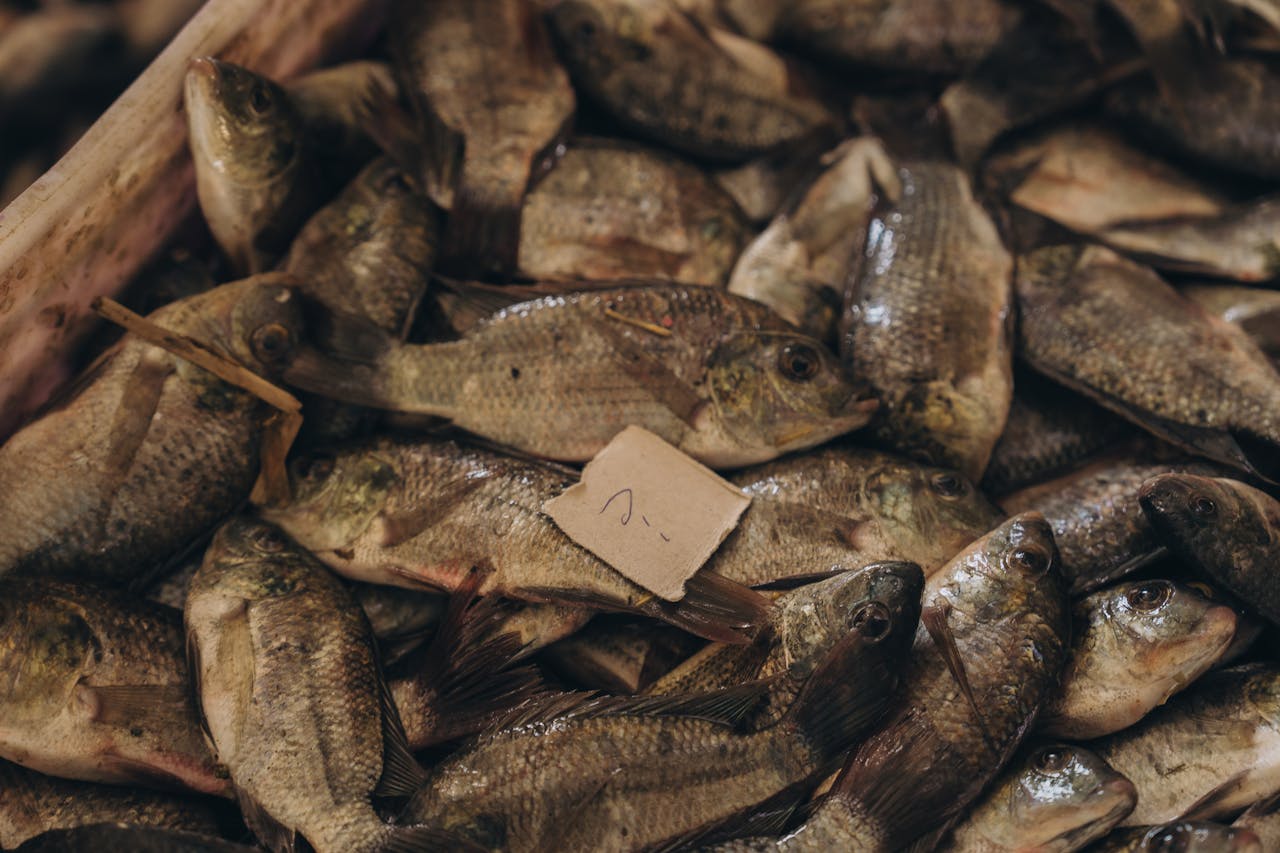
Can Dogs Eat Tilapia? Your Guide
Tilapia for Your Pup: A Safe Catch or a Fishy Mistake?
Table of Contents
- 1 Tilapia for Your Pup: A Safe Catch or a Fishy Mistake?
- 2 Decoding Tilapia: Understanding Its Role in Canine Nutrition
- 3 The Goodness Inside: Nutritional Benefits of Tilapia for Dogs
- 4 Potential Snags: Risks of Feeding Tilapia to Dogs
- 5 Cooking it Right: Preparing Tilapia for Your Canine Companion
- 6 Serving Suggestions: Size and Frequency of Tilapia for Dogs
- 7 Special Cases: Considerations and Alternatives
- 8 Your Tilapia & Dog Queries Answered: FAQs
- 9 Conclusion: Key Takeaways on Tilapia and Your Dog’s Diet
As a dog parent, you want what’s best for your pup! You want to give him balanced, nutritious food. But what about fish? Specifically, can dogs eat tilapia?
Tilapia is a common freshwater fish and is popular in many human diets. It’s low in fat, protein-rich, and full of vitamins and minerals. But just because it’s good for humans – does that mean it’s good for dogs? Can dogs eat tilapia cooked or raw? And if dogs can eat tilapia, how do you prepare it?
This article will answer all of these questions and more. It will explore the benefits and possible risks of feeding tilapia to dogs and provide helpful hints on how to do so safely.
So, if you plan on feeding your dog tilapia, keep reading. This guide is for you!
Decoding Tilapia: Understanding Its Role in Canine Nutrition
Tilapia is typically commended for its nutritional benefits. It contains valuable nutrients that humans and dogs can utilize to some degree. However, dietary value in a canine sense is more complex.
Canines require adequate amounts of protein, fat, vitamins, and minerals in their diet. Tilapia is a great source of protein, but the dog’s diet must contain substantially more as part of a broader diet strategy.
Here are the key nutritional components of tilapia that may be helpful to your dog:
- Good source of protein
- Low in fat
- Contains omega-3 fatty acids
- Contains good sources of vitamins B12 and D
- Good source of minerals such as phosphorus and potassium
These components operate in several ways to support a dog’s, or any mammal’s, overall health. However, tilapia is only one protein source and can’t be fed as the exclusive protein in their diet. Being well-rounded, in general, is important for creating a good nutritional plan.
Your veterinarian is always your best resource, and they can provide you with individualized dietary advice for your unique dog.
Feeding tilapia to your dog requires carefully weighing the pros against the cons. Let’s begin to examine the nutritional aspects of tilapia that could benefit your dog in detail.
The Goodness Inside: Nutritional Benefits of Tilapia for Dogs
Tilapia is a good addition to your dog’s diet. It is a lean fish and a good source of low-fat protein, which your dog needs to repair and build tissues.
Tilapia is high in omega-3 fats. Omega-3 fatty acids are beneficial to dogs’ skin and coat, providing a shiny, healthy coat. They will also help maintain joint health faster as dogs typically age slower, slow down in activity, and maintain weight. If you consider omega-3 fatty acids to encourage and maintain joint health, check out the Yumove coupons and save money on their supplements.
Tilapia has vitamins B12 and D also. Vitamin B12 is necessary for the formation of red blood cells and neurologic function. Vitamin D is important to maintain bones by supporting the absorption of calcium and phosphorus.
Tilapia has two important minerals: phosphorus and potassium. These minerals work collaboratively to provide the necessary support for cellular function and fluid balance regulation.
Tilapia may be a viable protein alternative for dogs who are allergic to other forms of more common meat. Once you introduce the fish, you need to do so slowly to watch for any adverse reaction.
By introducing tilapia, you have the option of adding a variety of nutrients that are valuable to your dog. Ensure that you are careful to balance tilapia in your dog’s diet. Tilapia is a supplement to your dog’s diet, not a protein replacement for other sources of protein.
A varied diet will allow your dog to obtain all of the nutrients it may need. If you have any concerns about your pets’ diets, always ask your veterinarian.
Potential Snags: Risks of Feeding Tilapia to Dogs
Tilapia is beneficial and can be a healthy addition to your dog’s diet; however, certain risks must be considered. It is important to understand these risks before adding tilapia to your dog’s meals.
First, raw fish, in general, can potentially have parasites and bacteria that could be harmful to your dog. Thus, it’s best to avoid raw tilapia altogether. Be sure to cook tilapia thoroughly to kill off harmful pathogens.
Another concern with tilapia is whether or not it contains bones. Fish bones may be sharp and cause choking or internal damage. Make sure to remove all bones before giving your dog tilapia.
Tilapia is a fish, which means over-consuming it can result in nutritional imbalances. Eating lots of fish can cause a vitamin E deficiency in dogs. Like anything else, moderation and balance are extremely important when it comes to their diets.
Another concern is that tilapia may have been harvested from a questionable source. Heavy metals or other pollutants might be present in products from inhumane fisheries. Whenever possible, source fish sustainably to avoid heavy metals or fish altogether.
Dogs may also have an allergy/sensitivity to fish, including tilapia. Should your dog express any signs of a negative reaction, such as itching/rash or stomach upset after consuming tilapia, it is best to stop including it in their meals.
To avoid potential risks, introducing tilapia slowly is a good practice. Ensure the fish is properly handled and fresh. Don’t forget to check in with your vet, especially before regular dietary changes in your dog.
Cooking it Right: Preparing Tilapia for Your Canine Companion
It is extremely important that fish is prepared correctly in order for dogs to be safe. You need to begin with a high-quality fresh or frozen tilapia. When selecting tilapia, look for clear, bright eyes, firm flesh, and a mild, fresh smell. If you bought frozen fish, take it out of the freezer and let it thaw in the refrigerator.
Next, remove all the bones from the fish. Fishbones can create choking or internal injury hazards. To ensure safety, store the fish in a sealed container in the refrigerator and use it within a day or two to maintain its freshness and nutritional value.
Tilapia must always be cooked fully instead of feeding raw fish to your dog. Cooking fish also kills harmful bacteria and parasites that could make your dog sick. Cooking fish is also recommended to maintain nutritional value.
You should not add any seasoning, spices, oil, or anything harmful to your dog or the fish. The best case scenario is fish cooked simple, safe for dogs to eat, and easier on digestion.
You should slowly introduce tilapia into your dog’s diet. Start with a small amount and gradually increase it over a week or two to prevent digestive issues. Watch for any unwanted reactions or changes in behavior, digestion, etc. You will have to make adjustments based on what you see.
The Right Way to Cook Tilapia for Canine Consumption
There are simple ways to cook tilapia for your dog. Steaming or baking the tilapia is a good technique because you keep much of the nutrition, and neither of these options or additives can be harmful.
When steaming, use water only. Steaming fish will seal the nutrients, especially because you’re using water. You’ll want to place the tilapia in a steamer basket on your stove. You will know it’s done when it turns opaque and flakes easily.
Baking is also an excellent option. Preheat your oven to 400°F (about 200°C). Grease your baking dish, add the tilapia, and bake for 15-20 minutes. You’ll know the fish is done when it turns opaque throughout.
Frying or cooking the fish in oil are discouraged options. They add fats to the fish, which are unhealthy for your dog.
Once the fish is done cooking, allow it to cool slightly before serving it to your dog. You want your dog to enjoy their meal but also ensure no one gets burned.
Each serving of fish should be broken up into smaller manageable pieces, and this formatting will help your dog eat, digest, and enjoy the meal.
Foods to Avoid Mixing with Tilapia
When offering tilapia to your dog, keep it plain and simple. Don’t mix it with onions, garlic, or chives; those vegetables are poisonous and should never be used in your dog’s food.
You may be tempted to use spices or herbs for flavor. However, it is probably best to keep them out of your dog’s meals. Dogs have a different digestive system than we do and do not need those things in their food.
Dogs should not have anything fatty or oily with the tilapia. Fatty foods can make your dog obese and cause digestive issues with their food.
Lastly, don’t use sauces or marinades. These usually include salt, sugar, or other undesirables that dogs should not consume. Keeping it plain and simple is always best for your dog!
Serving Suggestions: Size and Frequency of Tilapia for Dogs
Adding tilapia to your dog’s diet should be balanced. The portion size and how often you give tilapia are important for a healthy diet. It’s important to consider your dog’s size, age, and activity on the plan.
A few small bites are enough for small dogs. Larger dogs can eat more tilapia, but it should be done in moderation. Tilapia should be given as a treat, not as the bulk of your dog’s diet.
Dogs respond very differently to the fish. It is important to introduce tilapia slowly so that you can adjust quantities. You will notice if your dog gains weight or appears to have digestive issues in combination with the consumption of tilapia.
Finally, remember that you are not feeding your dog tilapia; you are treating them to it. A good balanced diet is a variety of proteins and nutrients.
How Much Tilapia Can Dogs Eat?
A dog can safely eat a range of tilapia. Small breeds can have a few bites for a meal, and larger breeds can have a couple of ounces.
The portions mentioned above will change depending on your dog’s weight. A good suggestion would be to have tilapia as 10% of their daily food intake.
Excess fish can cause vitamin deficiencies. Be aware of changes in your dog’s energy level, skin, and other unusual behavior.
When introducing a change in diet, such as whole tilapia, it is always best to consult your veterinarian to find out what is appropriate for your canine. It’s best to receive professional advice to prevent adverse changes in your pet’s diet when you are a pet parent.
How Often Can Dogs Have Tilapia?
Frequency is important when feeding tilapia. Once or twice a week is enough for most dogs, and this prevents them from developing nutritional deficiencies in the future.
Usually, when alternating proteins regularly (varying proteins) helps to give a dog a variety of foods, it can also lessen the likelihood of food allergies and aid in achieving completeness in nutrition.
Do not make tilapia a daily food; too much can promote health issues due to excessive protein or contamination from fish.
Also, you should evaluate your dog’s health and the individual dog person, as some dogs may respond well or tolerantly to fish, etc. After contemplating your dog’s health and tolerance to fish consumption, you can adjust the frequency accordingly.
Special Cases: Considerations and Alternatives
Before feeding tilapia to your dog, it is important to consider the dog’s health. For example, dogs with kidney or liver issues may best avoid fish entirely, given that fish often contains phosphorus. Consult your vet about this matter for more tailored guidance.
There is always a potential for food allergies, especially when introducing a new type of food, such as fish. If your dog does exhibit allergy-like symptoms, then you should carefully assess its whole diet regarding incorporating fish into its health and wellness plan. Monitoring your dog after adding new food is very important.
For dog owners whose dogs might be overweight, tilapia’s low-fat content can be useful. However, ensuring the dog’s diet is balanced is also important. Dogs need variety to ensure they do not miss out on important nutrients.
Ultimately, it is good to know your dog. If, as I indicated above, tilapia is not appropriate for your dog, there are countless other alternatives.
When to Avoid Tilapia in a Dog’s Diet
There are specific circumstances that should lead you to avoid tilapia. If your dog has a known allergy to fish, you don’t want to feed any fish as an allergen unless your veterinarian has provided guidance. Symptoms of fish allergies can include itching, vomiting, and gastrointestinal upset.
Your dog may also just be upset from the tilapia. In that event, explore alternatives and talk to your veterinarian.
Anytime you introduce a new food, you always want to gradually increase that food and gauge the dog for any signs of adverse reactions.
Tilapia may not be the best option for any health conditions. Some dogs may have chronic illnesses requiring special diets. It is always our recommendation to have your pet work with a professional to stay on the path of good health and to consider all the factors when selecting foods for your dog.
When this is the case, the best advice for your dog will likely be to mind it and get it the food that meets its special needs.
Alternatives to Tilapia for Dogs with Dietary Restrictions
If tilapia isn’t a good fit for your dog, there are other fish types for them to try. Salmon is preferred because it’s also high in omega-3 fatty acids like tilapia. It has similar benefits, and salmon will help you avoid any potential turkey weight issues that can be hard on your dog’s stomach.
You can also try trout. It provides a lot of protein and nutrients, and it doesn’t have to be eaten raw.
If your dog doesn’t like fish, a couple of other options would be lean meats like chicken and turkey. Lean meats are great for dogs because they are high in protein and easily digestible for nutrients.
Be sure to assess your dog after the food change. You and your dog aim to provide great healthy options that enhance their diet and overall health.
Your Tilapia & Dog Queries Answered: FAQs
Navigating dog diets can lead to many questions about tilapia. Here are some common queries dog owners have about feeding their pets this fish.
Can Dogs Eat Raw Tilapia?
No, raw tilapia isn’t safe for dogs. It may contain harmful bacteria or parasites. Always cook tilapia thoroughly to protect your dog from potential illness.
Is Tilapia Healthy for Dogs?
Tilapia can be a healthy option for your dog. This fish is great for your dog as it has high-quality protein and other essential nutrients for your dog’s health. Just feed it properly and limit how much you give your dog.
What Are Some Signs of Tilapia Allergies in Dogs?
When looking for signs of a tilapia allergy, look for itching or swelling, hives, or other digestive problems. If you see any of these signs after your dog has eaten tilapia, cease feeding it and contact your vet for advice.
Can Tilapia Be Part of a Regular Meal?
Tilapia can be part of a balanced diet but shouldn’t replace other proteins. Maintain dietary variety to meet all of your dog’s nutritional needs.
How Should Tilapia Be Prepared for Dogs?
Cook tilapia plainly without spices or oils. Remove bones to prevent choking hazards. Serve it in small, manageable portions suitable for your dog’s size.
Conclusion: Key Takeaways on Tilapia and Your Dog’s Diet
Tilapia is a healthy food option for your dog. It is a great source of protein and health-promoting nutrients that will benefit your dog. Tilapia should always be cooked and plain. Do not include oils, spices, or seasoning to ensure it is safe for your dog. When serving it for the first time as a food option, we recommend providing a small amount and watching for any undesired reaction. Portion size matters when introducing new feeding options.
Overfeeding whole fish can create a nutritional balance. If your dog does not like or show any reaction to tilapia, speak to your vet about introducing tilapia meals into your dog’s feed routine. Another healthy option for fish may also lead to a balanced meal for your dog, but ultimately, one option of protein or food does not encompass all that a dog requires. Equal proportions of each protein source will ensure coverage for the nutritional value.