Can Dogs Eat Bacon? (The Salty Truth)
Bacon for Dogs: A Delicious Treat or a Health Hazard?
Table of Contents
- 1 Bacon for Dogs: A Delicious Treat or a Health Hazard?
- 2 Decoding Bacon: Understanding What’s Inside
- 3 The Potential Dangers: Risks of Feeding Bacon to Dogs
- 4 The Safe Middle Ground: Can Dogs Have Bacon Responsibly?
- 5 Better Bites: Healthier Alternatives to Bacon for Dogs
- 6 Your Bacon & Dog Queries Answered: Common Questions
- 7 Trust the Professionals: Expert Opinions and Veterinary Advice
- 8 The Final Fry: Balancing Bacon in Your Dog’s Diet
- 9 Digging Deeper: FAQs About Dogs and Bacon
Bacon is a favorite breakfast dish for numerous people. The aroma of bacon can be delightful, and many enjoy the flavor, which is why so many people have it in their homes and enjoy it often.
But what about our four-legged friends? Is it safe for dogs to eat bacon?
This is a common question among pet owners because they want to share some of their favorite snacks with their pets. But is it safe?
Bacon is quite high in fat and sodium, and these ingredients have their health risks. Knowing the risks of bacon before you share it with your furry pet is essential.
The following article will discuss bacon for dogs in more detail. We will assess the risks versus benefits of bacon and end with some recommendations for responsible feeding.
It’s important to remember that each dog is unique. Therefore, it’s always advisable to consult a veterinarian before introducing new foods into your dog’s diet. This simple step can help ensure your dog’s safety and well-being.
Decoding Bacon: Understanding What’s Inside
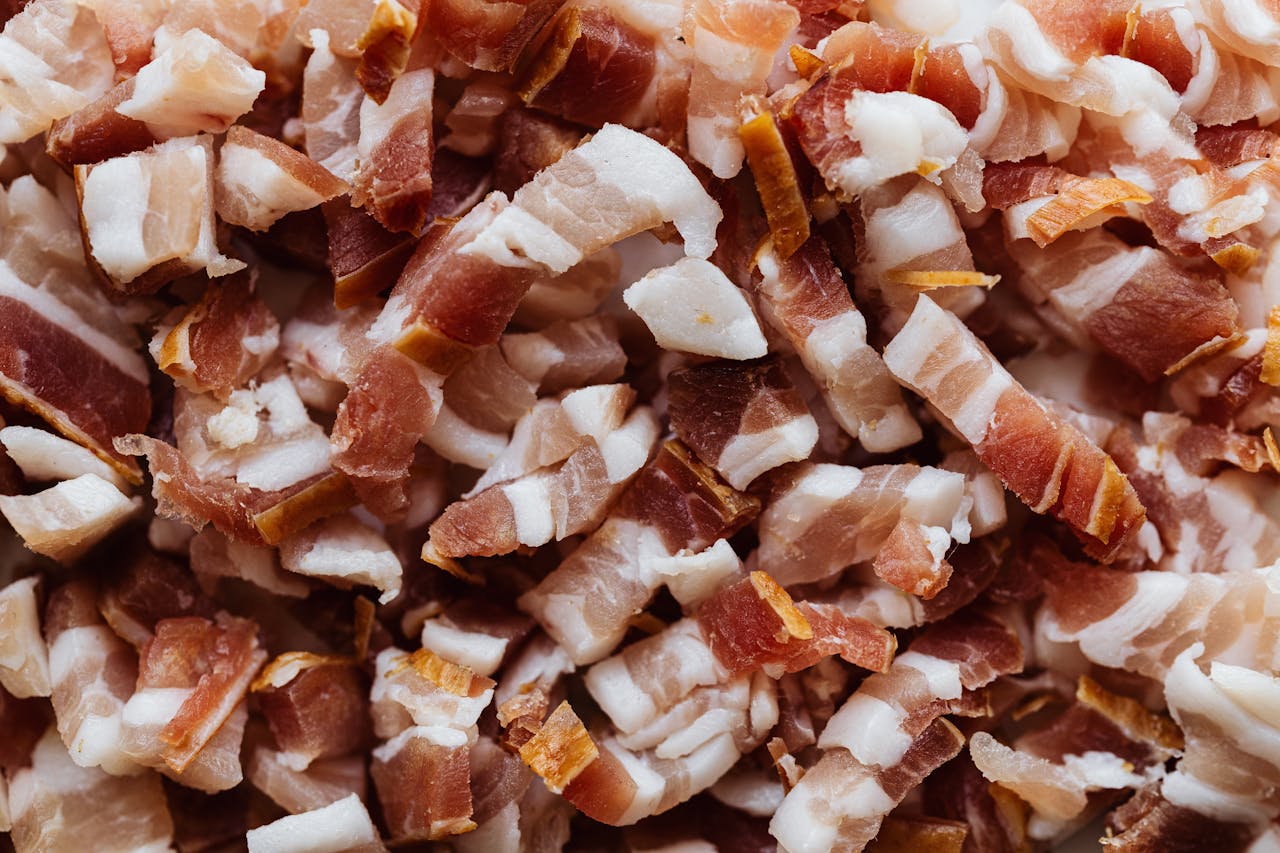
Bacon is a kind of cured meat, typically from pork belly, that’s cured with salt and then smoked to enhance the flavor and preservation potential.
Bacon is mainly composed of pork, salt, and sometimes sugar. Nitrates and nitrites are also employed in curing, which helps sustain the meat’s color and prevent spoilage.
Bacon is generally high in fat and protein, but due to DAC’s nutritional needs, it could also be high in fat and low in fiber, which raises alarms.
To add further significance, bacon is also usually high in salt. Excessive salt intake can lead to associated health issues for dogs, including elevated blood pressure and sodium ion poisoning.
While bacon is outrageously tasty, the ingredients used to prepare it may not suit a dog’s dietary needs. Understanding the components of bacon can help dog owners make better feeding decisions.
The Potential Dangers: Risks of Feeding Bacon to Dogs
Giving bacon to dogs carries serious risks that can impact a dog’s health and overall well-being over time. Pet owners must understand the potential threats of bacon consumption to make informed decisions for their dogs.
The first concern is bacon’s high-fat content. All fatty foods can lead to obesity and obesity-related health issues in dogs.
The high salt content is another threatening ingredient in bacon. When dogs consume too much salt, it can lead to serious health problems, such as sodium ion poisoning.
In addition to these high-fat and high-salt contents, bacon is typically treated with preservatives or additives that increase shelf life and flavor during curing.
Chemicals such as nitrates and nitrites are some ingredients used to cure meat. These chemicals can be toxic to dogs, and long-term consumption is associated with serious health problems in animals.
High-Fat Content and Obesity
Bacon is a food with a high fat content. While dogs need some fat, too much fat can lead to weight gain.
Obesity in dogs is not only about weight; it may subject the dog to another set of health problems such as diabetes, heart disease, and joint disease.
Therefore, monitoring your dog’s fat intake to reduce these risks is important. Offering dietary treats or snacks like bacon can limit the fat in the diet.
Salt Content and Sodium Ion Poisoning
Some salt is necessary in moderation, but bacon contains too much salt. Excess salt can lead to sodium ion poisoning, which can be deadly for dogs. Symptoms include vomiting, diarrhea, and a fever. It can also lead to seizures or other health scares. Even giving a few salty treats every once in a while can alter a dog’s electrolyte levels. Owners must remember this if giving dogs bacon or foods especially high in salt.
Preservatives and Additives in Bacon
Bacon additives may present an unseen risk, and the preservation chemicals may not be appropriate for all animals.
Nitrates and nitrites found in cured bacon are additives to consider carefully. Some studies suggest an increased risk of cancer when nitrates and nitrites are consumed.
If dogs regularly eat bacon or other preserved bacon with these additives, they could have uncertain health consequences. As a responsible pet owner, thinking twice about these additives is a good idea.
The Safe Middle Ground: Can Dogs Have Bacon Responsibly?
Despite some threats associated with bacon, it can be safely served if served thoughtfully. Plan servings in moderation.
Bacon can be fed in small amounts as an occasional treat for healthy dogs. This prevents bacon from becoming a part of their regular diet.
Be mindful of your dog’s health status or any health problems. For example, dogs with pancreatitis should not be given bacon.
It is important to serve bacon properly cooked. Raw bacon can contain undesirable bacteria like salmonella, which presents another threat to the dog.
Serving plain, cooked, and unsalted bacon reduces some threats. This means you are giving the least dangerous option of the bacon “treats.”
Moderation is Key
When it comes to bacon, moderation is the key. Feeding bacon occasionally is unlikely to cause harm to a healthy dog. However, it’s important to remember that bacon should not replace balanced dog food. Offering bacon a few times a year as a special treat can help maintain your dog’s nutritional health. Treats should not exceed 10% of your dog’s daily calorie intake to ensure a balanced diet and prevent obesity.
Preparing Bacon for Dogs
The way bacon is prepared will impact its safety for dogs. Cook bacon as needed to eliminate the risk of microorganisms.
Use unsalted bacon without any added ingredients. Onions and garlic, for example, are poisonous to dogs.
Trim off excess fat and rind before feeding it to your dog. This will help lessen the risk of gastrointestinal upset and fatty liver.
Better Bites: Healthier Alternatives to Bacon for Dogs
If bacon is not a good option for your dog, many healthier alternatives provide a good taste without the potential health issues that bacon carries. This can empower pet owners to make proactive choices for their pet’s diet.
Many vegetables make excellent dog treats. They are nutrient-rich and fibre-packed yet low in calories. Additionally, items like the joint care product can enrich your dog’s overall health, which makes hunting around for a Yumove voucher worthwhile since you can also save money while ensuring your dog gets the necessary supplement.
Some suitable alternatives to bacon for dogs are:
- Carrots: Crunchy and sweet, good for your dog’s teeth.
- Green Beans: Low in calories and full of vitamins.
- Sweet Potatoes: Good source of fiber and good for the gut.
- Apples: Good source of vitamins, but make sure to de-core and remove the seeds.
- Berries (Blueberries): Chock-full of antioxidants.
These snacks help provide your dog with taste while avoiding the potential negative aspects bacon carries. They are also good to have on hand, as they are versatile, safe, and advantageous for your pet. When introducing new food to your pet, always moderate the new items and watch your dog for new allergic or gut reactions.
Your Bacon & Dog Queries Answered: Common Questions
Pet owners frequently ask whether it is safe for dogs to eat bacon. Before we answer that question, we should consider the benefits and potential disadvantages of feeding our beloved companions bacon, especially because of its rich, enticing smell.
Generally, bacon can be considered safe for dogs to paint a broad brush from a nutritional standpoint. However, there are some negatives to eating bacon, as bacon is high in salt and fat. This means that moderation is vital to providing a bacon treat for your dog.
Whether it is okay for a dog to eat bacon as a treat in moderation comes up often. Generally, it is okay for your dog to have an occasional small piece of cooked unsalted bacon as a treat after a day of hard work. Whenever you give your dog a bacon treat, remove any excess grease and/or pieces of bacon that are fatty, as these can contain high levels of fat, which is not a healthy fat source for dogs.
Bacon-flavored products are often considered safer because they are increasingly formulated for dogs. Again, always look at the labels to see if any additives are harmful or undesirable, particularly with treats made for dogs.
Finally, the question of whether bacon Applicant is typically followed by a question about whether bacon is harmful or dangerous. Pay attention to how your dog reacts after eating bacon is paramount. If your dog experiences any undesirable symptoms, such as vomiting or diarrhea, veterinarians typically recommend that you take your pet to the vet.
Can Dogs Eat Raw Bacon?
It is generally not advisable to give dogs raw bacon. Raw meats could cause bacterial infections, and bacon and other bacteria could seriously affect a pet’s health.
Raw bacon also contains preservatives that are hard to digest for dogs. Cooking the bacon minimizes these risks but does not eliminate the risks of feeding the bacon. The decision to feed raw bacon should carefully consider the potential risks.
Ultimately, the safest option is to feed your dog cooked bacon with no added salt. This reduces the risk of exposure to bacteria. That said, cooked or raw bacon shouldn’t be a regular part of your dog’s diet.
Can I Give My Dog Bacon as a Treat?
Indeed, bacon is considered an occasional treat for dogs. However, moderation is key. Consuming too much bacon can lead to potential health problems and risks, such as obesity and sodium poisoning.
Only use small, cooked pieces of bacon without added salt or grease. Make sure it does not contain harmful ingredients like onion or garlic. Even in small amounts, these two ingredients are toxic to dogs.
Introduce bacon gradually into your dog’s diet and observe them for any adverse reactions. Contact your veterinarian if your dog exhibits stray or unusual behavior or symptoms. The health and well-being of your dog is the utmost priority when selecting treats.
Trust the Professionals: Expert Opinions and Veterinary Advice
Veterinarians generally recommend being cautious about bacon for dogs. The high fat and salt content of bacon can result in health problems (obesity, pancreatitis, and sodium ion toxicity) that plague dogs and, in some cases, can even lead to death.
Testimonial evidence suggests that treats such as bacon are necessary in moderation. Likewise, it would be wise to find a low-fat, low-sodium option. If you are unsure, ask your vet.
Veterinarians insist that dog treats should only be a small percentage of a dog’s diet. Using bacon as a regular substitute for healthy meals is inadvisable. With these recommendations in mind, your pet will remain healthy and happy.
The Final Fry: Balancing Bacon in Your Dog’s Diet
Bacon is a suitable occasional treat if offered in moderation. Achieving a balance is crucial to avoid negative consequences for your dog’s health. Your dog’s long-term health should always take precedence over short-term enjoyment.
Bacon should represent a small portion of your dog’s caloric intake, and the bulk of their diet should come from appropriate, healthy meals to avoid health issues related to high-fat and high-salt foods.
Consulting a veterinarian can help you make the most informed choice. Adjust any changes to your dog’s diet according to its needs to safely share treats like bacon and maintain its health.
Digging Deeper: FAQs About Dogs and Bacon
Can dogs eat cooked bacon without any health risks?
Dogs can eat cooked bacon, but there are some risks involved. It is high in fat and salt, which could lead to health problems. Always provide bacon in moderation and not as a regular food.
What should I do if my dog ate too much bacon?
If your dog consumes too much bacon, observe it closely. Look for signs of stomach upset or unusual behavior. If it vomits or has diarrhea, consult your veterinarian immediately.
Is there a safe way to incorporate bacon into dog training?
Bacon can be utilized for training purposes in very limited portions. Chop it into small pieces, and always ensure it represents only a small fraction of your dog’s rewards. Use it with healthier treats and praise regularly; it’s all about balance.
Do dogs with certain health conditions need to avoid bacon?
Yes, dogs with certain conditions, such as pancreatitis or heart disease, should not eat bacon. Bacon is very high in fat and sodium, which can worsen their condition. You should work with your veterinarian to develop specific dietary recommendations for dogs with these conditions.
Are there any bacon-like alternatives for dogs?
Yes, there are several safer alternatives. Try bacon-flavored dog treats, which are typically made to eliminate the adverse effects of eating bacon. These treats will give your pet the flavor they love with little to no problems.