
Can Dogs Eat Donuts? Understanding the Dangers
Donuts & Dogs: Why These Treats Are a Dangerous Mix
Table of Contents
- 1 Donuts & Dogs: Why These Treats Are a Dangerous Mix
- 2 Hidden Dangers: The Risks of a Single Donut Bite
- 3 Glazed & Powdered Donuts: A Sweet Threat to Dogs
- 4 Donut Holes & Small Treats: Size Doesn’t Equal Safety
- 5 Toxic Donut Ingredients: What Makes Them Harmful
- 6 Donut Health Implications: What Dogs Face
- 7 Dog-Friendly Dessert Alternatives: Safe & Tasty Treats
- 8 Donuts & Dogs FAQs: Addressing Your Concerns
- 9 Prioritizing Dog Health: Avoiding Donut Dangers
- 10 Key Takeaways: Safe Treat Practices for Your Dog
- 11 Responsible Pet Ownership: Protecting Your Dog’s Health
Donuts, with their sweet taste and fluffy texture, are a beloved treat for many. But have you ever wondered if they’re safe for our furry friends?
As a pet owner, you may have pondered the question, “Can dogs eat donuts?” The answer is a resounding no. Donuts, with their high sugar and fat content, are not a healthy treat for your canine companion.
This article will explain some other risks regarding dogs and donuts. Certain varieties of donuts, such as glazed and powdered donuts, are more dangerous than others. We will then discuss alternatives for treats that are safe for dogs.
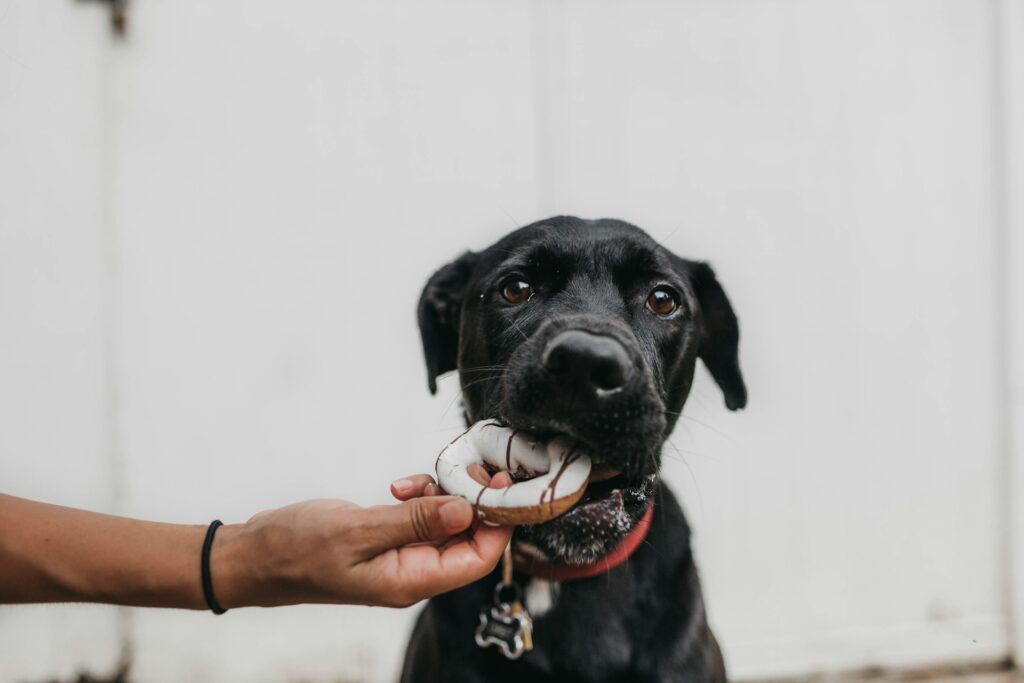
We aim to keep your pet healthy while allowing it to enjoy some treats. Thus, let’s now learn about the risks of dogs eating donuts.
Hidden Dangers: The Risks of a Single Donut Bite
Though a harmless snack for us, donuts are quite dangerous to dogs. A high amount of sugar and fat might be quite serious.
This sugar in donuts can cause dogs to become obese. Once an animal, such as a dog, becomes obese, it opens the door to many health issues. One very serious consequence could be diabetes.
Another factor is that fatty foods may upset a dog’s stomach. Many dogs experience some digestive distress when they eat fatty foods, which can result in extremely painful signs like diarrhea.
Furthermore, donuts may contain artificial additives. Examples include xylitol, which is extremely poisonous to dogs. Even just a little can trigger life-threatening reactions.
Donuts, while tempting, seem to pose more threats than benefits. We shouldn’t give in to the temptation of giving this treat to our furry friend. It’s for their good.
Glazed & Powdered Donuts: A Sweet Threat to Dogs
Dogs find glazed and powdered donuts especially tempting. Unfortunately, these varieties are considerably more dangerous. They add another layer of risk to your dog’s health.
Glazed donuts are made primarily of sugar. Large amounts of sugar can cause dental disasters in dogs. It speeds up tooth decay and gum disease.
Powdered donuts also pose a choking hazard. A simple powder could easily become a choking obstruction in the windpipe, turning a threat into a dangerous emergency.
Finally, both types often contain artificial flavors. Sometimes, those flavors can induce allergic reactions in dogs, causing symptoms such as itchiness or stomach upset.
This means that glazed and powdered donuts should be prohibited. Protect your dog by steering clear of these sugary dangers.
Donut Holes & Small Treats: Size Doesn’t Equal Safety
Donut holes may seem harmless due to their size. A small form can be deceiving for pet owners. Even so, they carry the same dangers as full-sized donuts. They sport the same ingredients, just in smaller proportions.
The ingredients are sugar and fats; this is probably why they cause significant harm to your dog. The high concentration of sugar is compressed in a small bite. Thus, a sugar spike in your pet’s system would be caused.
Besides, donut holes could cause choking. Small breeds are particularly at the greatest risk in this respect. A small bite can block their airway. It is also to be noted that the size doesn’t decrease the danger. Tiny treats can still be dangerous.
Always go for safe and healthy options for your dog.
Toxic Donut Ingredients: What Makes Them Harmful
Donuts contain several ingredients that can be very damaging to dogs. Let’s examine these ingredients and see their effects on dog health so that something tragic can be avoided.
To begin with, the amount of sugar poses grave risks. Dogs do not process sugar like we do. A lot of sugar in their systems might lead to obesity and dental decay.
Fats in donuts are equally dangerous. High-fat foods can cause pancreatitis in dogs, which causes painful inflammation.
Artificial sweeteners such as xylitol are often incorporated. These can be toxic, even in small amounts. If ingested, veterinary assistance must be obtained immediately.
Here’s a closer look at dangerous ingredients:
- Chocolate: Highly toxic to dogs.
- Xylitol: Artificial sweetener, extremely hazardous.
- High fat: Causes digestive and health issues.
- Excessive sugar: Leads to obesity and dental decay.
Understanding these ingredients is crucial for your dog’s safety. Clear foods contain these harmful substances.
Chocolate Toxicity: A Donut Danger for Dogs
Chocolate is a common ingredient in many types of donuts. However, a small amount can be toxic to dogs, posing serious health demands.
Of course, the toxicity comes from the chemicals theobromine and caffeine. Canines cannot adequately metabolize these compounds so that serious symptoms can be expected.
Such symptoms are vomiting, diarrhea, and a fast heart rate. Rarely, seizures or death may come about in overly severe cases. Just keep chocolate out of reach for pets.
Xylitol Hazard: A Hidden Sweetener Risk
Xylitol is a common sugar substitute often found in gum and sugar-free donuts. While humans can benefit from xylitol, it is toxic to dogs.
In dogs, xylitol causes the release of insulin. Consequently, blood sugar levels drop quickly, and hypoglycemia may develop 10 to 60 minutes later.
Weakness and seizures characterize xylitol poisoning. If left unattended, it progresses to liver failure. Timely treatment at a veterinary clinic is very important.
Fats & Sugars: Long-Term Health Concerns
Donuts are high in fats and sugars, which have no proven nutritional value for dogs. They cause several health complications.
Too much fat can lead to a condition known as pancreatitis, which can be extremely painful for the digestive system. Medical assistance is needed to treat it effectively.
Sugars in excess, on the other hand, lead to obesity from weight gain. Other diseases, for example, diabetes and joint problems, are also at an increased risk because of obesity.
Thus, donuts’ ingredients make them unsafe for canine consumption. It’s best to always think of your dog’s well-being rather than indulging yourself. Go ahead and buy better treats.
Donut Health Implications: What Dogs Face
Feeding donuts to dogs can create many health problems. These treats are loaded with harmful components. These damages can be dangerous to your dog’s health.
One of the long-term effects is obesity. All that extra weight strains a dog’s joints, making them susceptible to other ailments.
The high sugar content can cause diabetes. Managing diabetes in dogs falls under the category of really hard work: it requires endless changes in the dog’s diet and a course of medical treatments.
Moreover, donuts block the digestive tract of dogs. This usually leads to symptoms of gastrointestinal upset. Vomiting and diarrhea may occur, which can be uncomfortable and, indeed, dangerous.
In short, donuts are not good for dogs. The health risks surpass the mere enjoyment of being fed some sweet pastry now and then. Instead, finding something more appropriate for a treat or snack is a much better idea.
Obesity & Diabetes: The Donut’s Sugary Risks
When dogs regularly eat donuts, they come at increased risk of becoming obese. It’s worth mentioning that obesity may not entirely be about being overweight; it represents a considerable health threat. It severely undermines a dog’s quality of life and general well-being.
Extra weight can also trigger the onset of certain diseases, with diabetes being just one of the key conditions when it comes to managing illness in pets; a similar situation requires careful monitoring and administration of insulin.
Prevention against obesity demands a firmer refusal of donuts. Controlling weight can easily help avoid diabetes, and good nutrition means happiness.
GI Upset & Lactose: Immediate Donut Problems
Donuts can upset your dog’s stomach. Their high fat content usually causes digestive problems, leading to diarrhea and vomiting.
Additionally, many donuts contain dairy. Dogs can be lactose intolerant, which further complicates digestion and puts additional stress on their digestive systems.
Feeding a dog any other food that can disrupt digestion is a critical task to avoid. The ideal situation is for dogs to consume foods that promote and maintain good digestive health. This approach can avoid unnecessary discomforts and illnesses.
Long-Term Toxicity: Donut Dangers Over Time
Constantly indulging in donuts can cause serious long-term problems for your dog’s health. These issues are not limited to short-term digestive distress; they involve serious ailments that affect vitality.
Some ingredients in donuts are toxic. These include chocolate and xylitol, which are dangerous in the long run. They can damage the liver and manifest as neurological symptoms.
A good dog owner must avoid any toxins in food that may cause long-term problems with their pet. They must also look after what their pet is fed and the treats they receive, as it is a choice between long-term health and instant gratification.
Dog-Friendly Dessert Alternatives: Safe & Tasty Treats
If your dog is eager for a treat, consider a healthier alternative. Dog-friendly desserts are yummy and safe, providing joy without any bad sides. Discounts on high-quality pet nutrition products like those from Ultimate Pet Nutrition will also help keep your furry friend fit on a budget!
It is very easy to make homemade treats. With just a few ingredients, you can mix them in mere seconds. These treats, on the other hand, are completely healthy and customized to your dog.
The purchase of pre-made treats may be a safer bet. Go for those specifically manufactured for dogs. They assure health benefits while still satisfying your pet’s sweet tooth.
Here are some dog-friendly alternatives to donuts:
- Peanut butter and banana bites
- Carrot and apple cookies
- Pumpkin and oat biscuits
Homemade Dog Treats: Healthy & Delicious Options
There are so many advantages to making your dog treats. You can have full control over the ingredients. And that means your dog is going to be healthier and happier.
Start with simple recipes. Use whole grains, fruits, and lean meats. These are nutritious and easily digestible.
Making the treats yourself can be a rewarding experience. It’s an act of love that the dogs appreciate. Your dog will enjoy these treats as they have been made with love and are good for it.
Store-Bought Dog Treats: What to Look For & Avoid
Remember that not all store-bought treats have the same degree of purity, and certain products may contain harmful additives. Natural product ingredients should be recognizable, wholesome, and void of artificial sweeteners and flavors.
It is very important to read the label, check for possible allergens, and pick treats that support your dog’s well-being.
Donuts & Dogs FAQs: Addressing Your Concerns
Dog owners tend to become curious and will normally have questions about dogs and donuts. Knowing these problems helps them make informed decisions about their pet’s diet.
Are Any Donuts Safe? A Clear Answer
No donut is safe for dogs, and none of the sugars and fats inside them are healthful. Instead, it is best always to give treats made for dogs that are approved for dog use.
Dog Ate a Donut: Should I Panic?
Do not worry if your dog eats a donut; monitor it and look for signs of vomiting or diarrhea. If your dog isn’t feeling okay, call your vet.
Donut Holes: Are They Any Safer for Dogs?
Donut holes pose the same risks as regular donuts. Although they may be small and appear harmless, they should never be given to dogs.
Healthier Treat Options: Alternatives to Donuts
Healthier treat options include homemade snacks made from natural ingredients. Some store-bought treats are also available for dogs.
Why Are Donuts Bad? Understanding the Risks
Dogs cannot eat donuts because they contain high levels of sugar and fat and lack the necessary nutrients for a dog’s health.
Here’s a quick summary:
- No donuts are safe for dogs
- Monitor your dog after accidental ingestion
- Donut holes are not safer than full-sized donuts
- Opt for healthier, dog-approved alternatives
- Avoid sugar-laden, nutrient-poor treats
Prioritizing Dog Health: Avoiding Donut Dangers
The doughnuts are high in both sugar and fat, contributing nothing useful to your pet’s nutritional needs. Instead, choose treats that will support the health of your pet. By making wise decisions concerning your dog’s diet, you will aid in keeping that diet balanced and health-promoting. Every so often, consult with your vet for more personalized dietary recommendations. Making the right nutritional decisions is important for the longevity and happiness of your dog.
Key Takeaways: Safe Treat Practices for Your Dog
Prioritize desserts for dogs rather than human ones, like doughnuts. Potential poisonings can be avoided by reading the ingredients’ labels. One of the best rules of thumb for promoting a healthy lifestyle is to stick to foods with nutritional value that will help the dog’s overall health. Be careful with the portions. Treats should only comprise a small percentage of the diet. Moreover, exercising should help to balance out any treats that the dog is having. Practice consistency with feeding habits to promote better eating habits.
Responsible Pet Ownership: Protecting Your Dog’s Health
If you are a responsible pet owner, you should make decisions in your dog’s best interest. Instead of feeding your dog sugary human snacks, feed it healthy, safe options. Your actions can lead to a happier and healthier life for your dog.