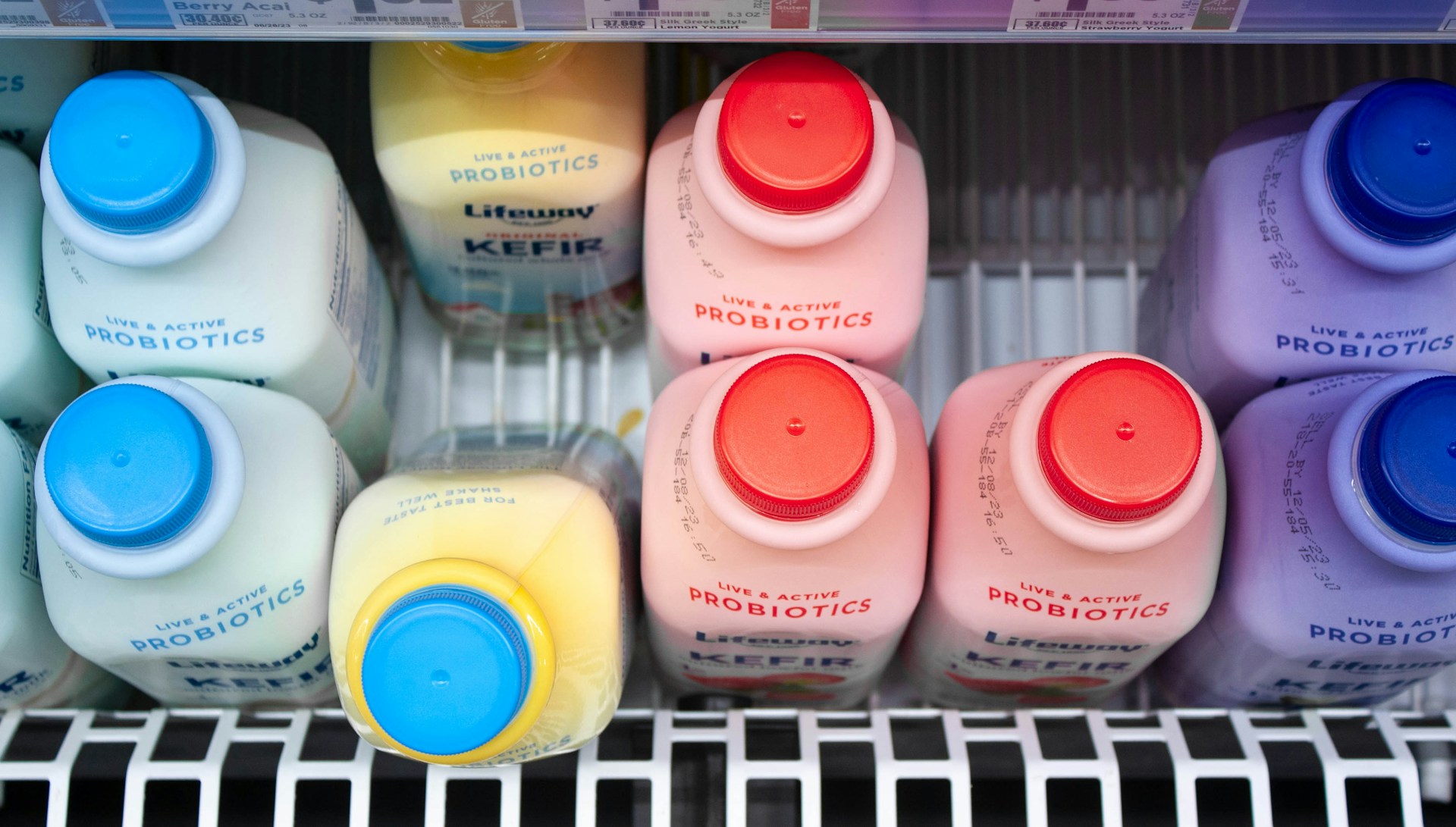
Kefir for Dogs: A Probiotic Boost for Your Furry Friend
Kefir for Dogs: Boosting Health with Probiotics & Nutrients
Table of Contents
- 1 Kefir for Dogs: Boosting Health with Probiotics & Nutrients
- 2 Kefir & Dogs: Understanding the Benefits & Safety
- 3 Kefir’s Nutritional Profile: A Powerhouse for Dogs
- 4 Probiotics & Gut Health: Kefir’s Digestive Benefits
- 5 Kefir for Digestive Issues: Natural Relief for Dogs
- 6 Kefir & Immunity: Boosting Your Dog’s Defense System
- 7 Kefir Dosage: How Much Is Right for Your Dog?
- 8 Choosing the Right Kefir: Options for Your Canine
- 9 Introducing Kefir: A Safe & Gradual Approach
- 10 Kefir Side Effects: When to Be Cautious
- 11 Serving Kefir: Creative & Palatable Ideas for Dogs
- 12 Kefir & Dogs FAQs: Your Top Questions Answered
- 13 Kefir in a Dog’s Diet: A Natural & Healthy Addition
As a dog owner, you are likely always looking to improve your pet’s health. You are probably familiar with probiotics, which are very effective for humans, but are they the same for dogs?
Enter kefir, a fermented milk product loaded with good bacteria. Can dogs have kefir? In a nutshell, yes. In small amounts, kefir makes a healthy addition to your dog’s diet. This fermented beverage is rich in nutrients and probiotics that support digestion and keep your dog’s body healthy.
However, like any other food type, you must gradually introduce kefir to your dog and watch for unwanted reactions.
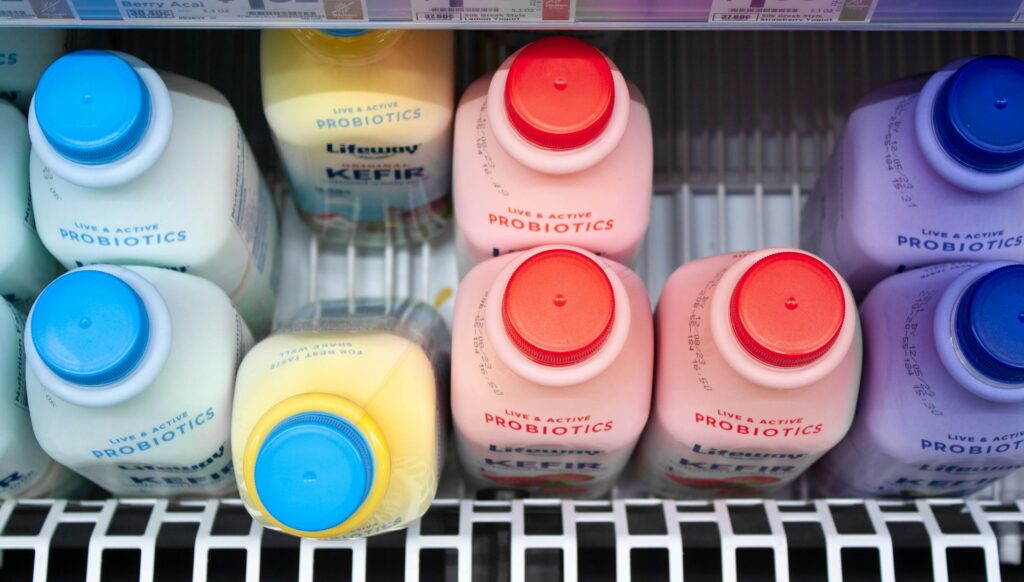
This article discusses the rewards of kefir, its dosage, how to pick the best kefir and other questions and concerns about dogs digesting kefir.
Kefir & Dogs: Understanding the Benefits & Safety
Kefir is a fermented dairy drink similar to yogurt but thinner in consistency and tangier in taste. It is made by adding kefir grains to milk and combining various bacteria and yeast, giving kefir its probiotic characteristics. Hence, it is purported to have various health benefits for humans and pets.
So, can dogs have kefir? Yes, dogs can take kefir—in moderation, of course, because too much could cause digestive problems. Since there are probiotics in kefir, they will help dogs in that they can balance the gut flora. This should benefit digestion and nutrient absorption from their regular food.
Also, kefir is low in lactose; hence, for dogs, it is lighter than traditional milk and would cause fewer stomach upsets or diarrhea. However, other dogs might be sensitive to it. Therefore, gradually introduce kefir into their diet and observe for possible signs of intolerance like vomiting and itching.
Overall, kefir is a good nutritious treat when given properly.
Kefir’s Nutritional Profile: A Powerhouse for Dogs
Kefir is full of nutrients that could benefit dogs. First, it is an excellent source of protein, which is necessary for maintaining and building muscle mass.
Kefir also has a high calcium content, which is required for strong bones and teeth; hence, it aids overall health. This applies to both young puppies and aging dogs.
Besides this, kefir is also great because of the abundance of B vitamins. These vitamins are important for energy production and brain functioning. Additionally, they help support your dog’s metabolism.
Here is a quick look at some of the nutrients in kefir:
- Protein
- Calcium
- B vitamins (such as B12 and B2)
- Magnesium
- Phosphorus
Besides vitamins and minerals, kefir is also rich in probiotics, which are very helpful digestive bacteria used to maintain gut flora. Thus, kefir helps fortify the immune system in dogs.
Probiotics & Gut Health: Kefir’s Digestive Benefits
Probiotics are live microorganisms that can benefit a dog’s digestive system. They help balance gut flora in kefir, a fermented probiotic drink. A healthy gut ensures that a dog may not face digestive problems during its lifetime.
Kefir with probiotics can help your dog absorb nutrients, ensuring it gets the most from what it eats. Efficient digestion translates to higher levels of energy and vitality.
While consuming kefir, dogs infect themselves with beneficial bacteria. These beneficial bacteria crowd out the harmful ones. This competition lowers the chances of infection and helps with healthy digestion.
In addition, a balanced gut microbiome can amplify the immune system. In particular, probiotics in kefir promote the production of antibodies, which can make your dog more immune to diseases and germs.
Introducing probiotics like those in kefir adds value to gut health. A well-balanced gut means your dog stands to gain a lot in digestive health and lower gastrointestinal disquiet, so kefir is a valuable addition to its diet.
While probiotics have several advantages, moderation is key. A small quantity of kefir is better suited for introducing them into dogs’ digestive systems.
Kefir for Digestive Issues: Natural Relief for Dogs
Kefir can be a game-changer for dogs struggling with digestion problems. Its probiotic content can help restore a healthy balance in the gut flora, smoothing out irregular digestion patterns and offering hope for a more comfortable digestive experience.
The constipated or diarrhea-stricken pooch will find a solution with kefir; as probiotics, they stabilize the movement of bowels with a butterfly effect on microbiomes. This makes a big difference quickly.
In addition to the probiotics, kefir also contains special enzymes that help with digestion. Those enzymes digest food more efficiently, which could relieve bloating or discomfort from digestive concerns.
Just be sure you slowly incorporate kefir into your dog’s diet to avoid upsetting the stomach. Starting small allows their system to adapt more effectively and without pressure.
Remember, in some cases, digestive concerns may require professional help. If your dog’s symptoms persist, it’s important to consult your veterinarian about whether kefir might be part of the solution. This responsible approach shows your commitment to your pet’s health and well-being.
Kefir & Immunity: Boosting Your Dog’s Defense System
Kefir is not only a digestive aid but can also build up your dog’s immune system because of the probiotics present in it. Probiotics fight against pathogens, viruses, and harmful bacteria. A healthy microbiome is a barrier that reduces the chances of getting infected. For this reason, kefir is a super addition during the flu season.
Besides probiotics, kefir has extra antioxidant properties useful in neutralizing free radicals and reducing cellular damage. Antioxidants generally support your pet’s immune system resilience.
In addition, kefir is packed with B vitamins and calcium, which helps increase energy levels and strengthens bones. A good, nutrient-dense diet supports your dog’s immune system. But kefir cannot be a replacement for a complete diet. Always consider your dog’s overall health condition before altering any diet.
Kefir Dosage: How Much Is Right for Your Dog?
Finding just the right amount of kefir for your dog is very important. If you give too little, it won’t benefit your dog, and if you give too much, it can cause problems. It is advisable to exercise caution at the outset.
Consider your dog’s size: a small dog should have less kefir than a large breed, so start small to see how well it agrees with your dog.
Here’s a general guideline for daily kefir amounts:
- Small dogs: 1 teaspoon to 1 tablespoon
- Medium dogs: 1 to 2 tablespoons
- Large dogs: 2 to 3 tablespoons
Introduce the kefir slowly to your dog’s food. This prevents any digestive upset and allows you to monitor how the dog reacts. It is always effective to increase the amount gradually over time.
As you introduce kefir into your pet’s meals, watch for any signs of health issues with your dog. Contact your vet immediately if anything unusual arises. Every dog is different, and there’s no one-size-fits-all approach.
Choosing the Right Kefir: Options for Your Canine
Choosing the best kefir for your dog is crucial, so always plain and unsweetened. Flavored or sweetened varieties may contain harmful additives.
This product is important because it contains live and active cultures, which are responsible for kefir’s probiotic benefits. Without them, a kefir product is less effective for gut health.
What type of milk is used to make the kefir? Goat’s milk kefir can be a nice alternative if your dog seems sensitive to cow’s milk. It may be better tolerated and easier to digest for some dogs.
Also, quality does matter when it comes to kefir for dogs. Organic or grass-fed varieties may be healthier because they usually contain fewer chemicals and more nutrients.
Always check the label for ingredients and nutritional content. Avoid kefir, which includes artificial ingredients or added sugars. These may negatively impact your dog’s health. Make the informed choice to help enhance your dog’s diet.
Introducing Kefir: A Safe & Gradual Approach
When offering kefir to your dog, start with a small dose. Teaspoons should be given to small dogs and tablespoons to large breeds. The idea is to allow the dog’s digestive system to adjust to it gradually.
Observe your dog for any negative reactions. Signs to watch for include diarrhea and vomiting. Should such signs present themselves, discontinue use and consult your veterinarian.
If there are no signs of an upset stomach, slowly increase the amount of kefir over the coming days. This will help prevent any digestive upsets. Balance is paramount when introducing any new food.
Combine the kefir with its regular meal to minimize the shock on your dog. Mixing it with familiar flavors may promote acceptance. This can also help mask the kefir taste for your picky eater.
Kefir Side Effects: When to Be Cautious
Even if kefir is fundamentally safe, a few dogs may react to it, such as having an upset stomach or loose stools. If this happens, stop feeding them kefir.
Dogs that are lactose intolerant are most likely to experience digestive complaints. While kefir has less lactose than other dairy products, caution is still the better part of valor. Always keep an eye on your pet when you first introduce it to the menu.
Potential allergies are also worth considering. Signs of such allergies include itching, redness, or swelling. If you notice such signs in your dog, discontinue kefir from its diet.
Some medical conditions might interfere with kefir and its possible benefits. For this reason, consult your veterinarian if you have any doubts about your dog’s health. Professional advice on the safety of a diet change can be helpful.
Serving Kefir: Creative & Palatable Ideas for Dogs
Adding kefir to your dog’s meal is easy and fun. Mix a pinch of it into their regular food. This guarantees they will acquire its properties without manifesting distinct signs of alteration.
Kefir can also be whisked as frozen treats. Pour it into molds and freeze the mixture to create a refreshing snack. These cool bites are great for hot days.
Combine kefir with dog-safe fruits to make a nutritious smoothie. This is a good way to change things up with proteins and nutrients; your pooch can have it as a special treat.
For a fun twist, drizzle kefir on your dog’s favorite treats. It provides different flavors along with health benefits. These options will keep your dog entertained and healthy while keeping the exploring wide open.
Kefir & Dogs FAQs: Your Top Questions Answered
Because of the rising popularity of kefir, many owners of dogs went on to ask additional questions about its safety and benefits; thus, understanding those concerns is very important to their dog’s health. Common questions about dogs and kefir are presented in this section.
Can dogs eat kefir? Yes, but make sure to introduce it in small amounts so that it does not upset its stomach and that you see how it reacts.
Is kefir good for dogs? Generally, yes. It’s loaded with good probiotics and various nutrients that help with different health concerns, but every dog is different and may react differently.
How much kefir should dogs be given? It depends on their size, but small dogs need much less than bigger ones.
Here’s a quick reference list:
- Small dogs: 1 teaspoon to 1 tablespoon daily
- Medium dogs: 1 to 2 tablespoons daily
- Large dogs: 2 to 3 tablespoons daily
Ask your vet for specific advice—they are the best people to tell you what is best for your pet.
Kefir in a Dog’s Diet: A Natural & Healthy Addition
The health benefits of adding kefir to Fido’s daily rations are numerous. It will provide probiotics for better gut health and increased immunity. Furthermore, having good nutrition for your dog does not mean a hit on your pocket, with many options available for pet food discounts. For instance, using the Ultimate Pet Nutrition coupon code is possible. Kefir can supplement in a good number of ways.
Always introduce kefir slowly so you can see how your dog will react. Monitor your dog’s reaction and adjust the portions accordingly. This will keep your dog safe.
Of course, do not replace meals with kefir; it is just a supplement to your dog’s diet. With it, you will constantly provide your dog with additional nutrients. A varied diet is the key to good health.
Consult with your vet before adding kefir to your dog’s diet. The pro usually knows better about safe and appropriate dosages.