How Much Are Koi Fish? A Complete Price Breakdown
Koi Fish Costs: Understanding the Investment & Value
Table of Contents
- 1 Koi Fish Costs: Understanding the Investment & Value
- 2 The Enchanting Appeal of Koi: Beyond the Price
- 3 Koi Fish Price Factors: What Drives the Cost?
- 4 Koi Price Spectrum: From Pet Stores to Premium Breeders
- 5 The True Koi Investment: Long-Term Care Costs
- 6 The Intrinsic Value of Koi: More Than Just a Price Tag
- 7 Informed Koi Purchase: Making a Wise Investment
- 8 Koi Keeping: Is It the Right Hobby for You?
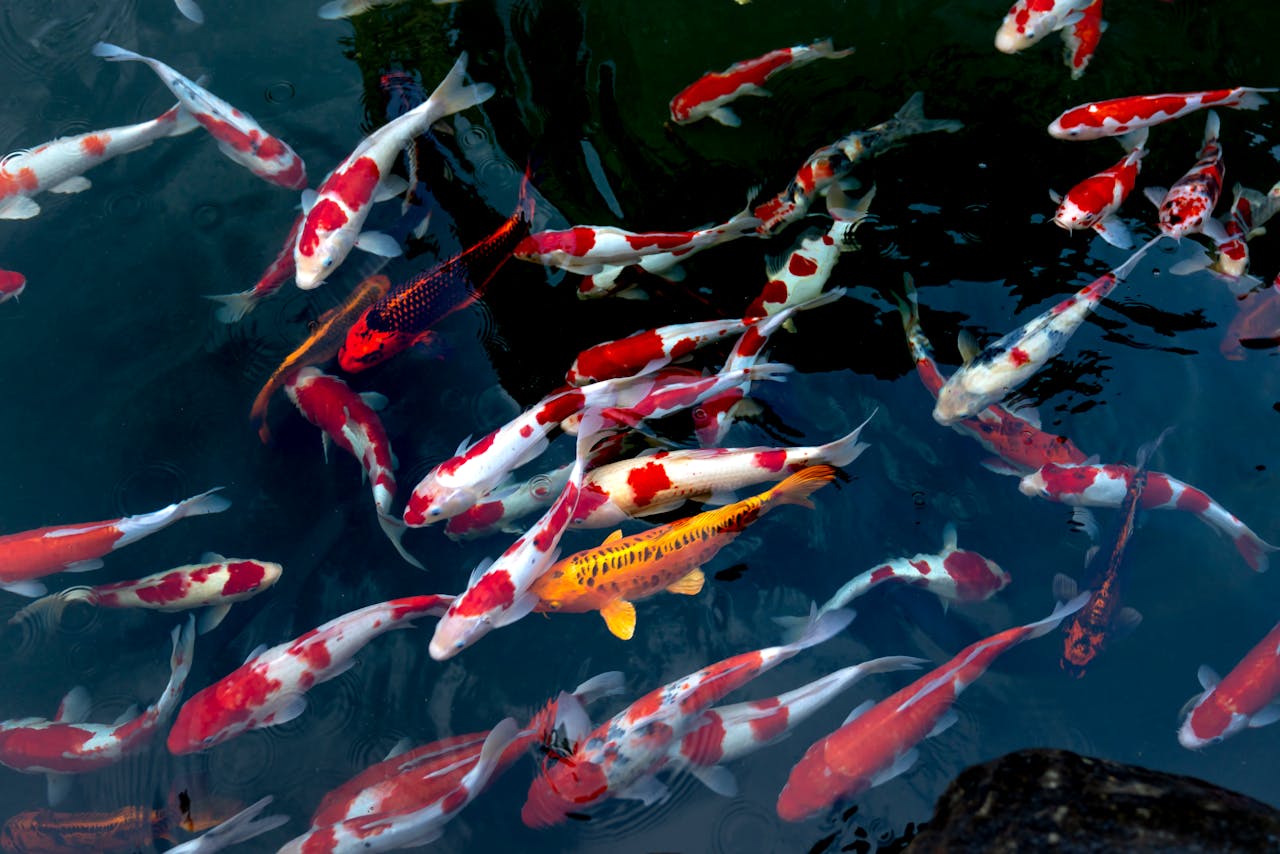
Koi fish, with their mesmerizing colors and graceful movement, are a sight to behold in any pond. Their beauty and elegance make them one of the most common and sought-after ornamental pond fish worldwide, captivating the hearts of all who lay eyes on them.
Understanding the cost of koi fish is not just about the numbers. It’s about understanding the value of these living artworks. The prices for koi fish vary, reflecting their size, color, bloodline, and rarity.
Whether you go to Petco and buy striped koi, buy them directly from a koi farm, or even buy them from online retailers, you must also consider the koi price range. This will help you know what budget to prepare so you can decide wisely.
This guide will discuss koi fish prices, the factors affecting them, the best place to buy them, and the hedging of keeping koi. Let’s begin!
The Enchanting Appeal of Koi: Beyond the Price
Koi fish, which originate from Japan, have been admired for centuries worldwide for their magnificence and variety.
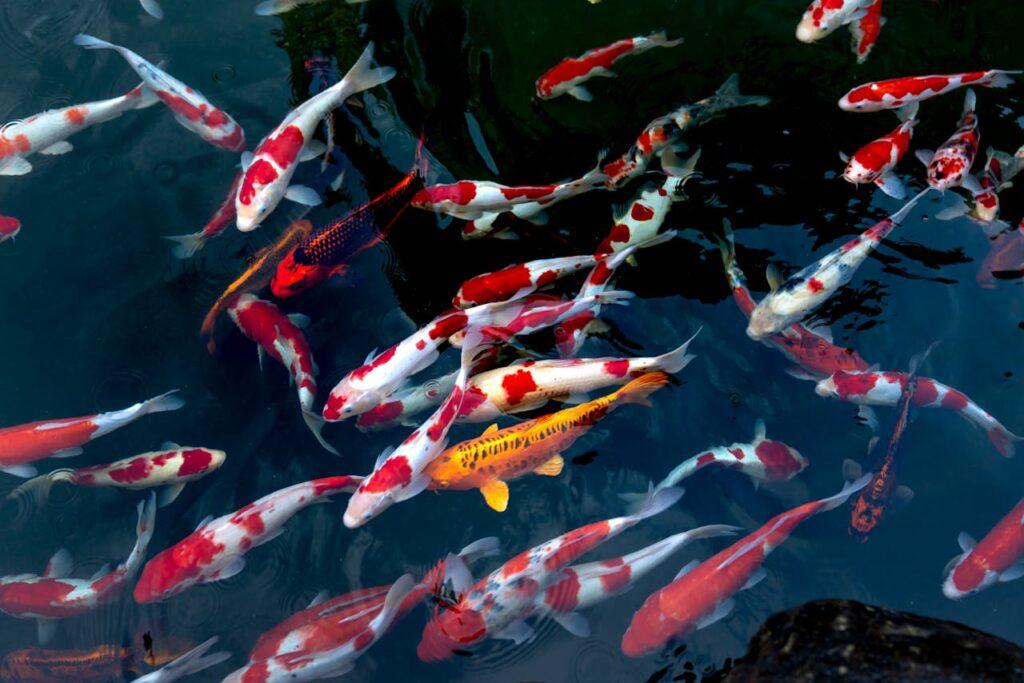
These fish are recognized for their bright colors and different patterns. Every koi is unique, contributing to its charm and appeal.
Beyond ornamental value, koi symbolizes love, devotion, friendship, and persistence in Japanese culture, enhancing its appeal.
Koi fish, with their graceful swimming and serene presence, have the unique ability to bring peace and tranquility to any garden setting. Watching these beautiful creatures can bring a sense of calm and relaxation to pond lovers.
Koi Fish Price Factors: What Drives the Cost?
Koi fish pricing can vary greatly due to several important aspects.
Size is a very influential factor. Large koi generally fetch higher prices than smaller ones.
Age also determines the price a koi can reach. Older koi would usually demand a better price because of their developed features.
Color and pattern matter very much. Usually, bright colors and distinctive patterns will increase the price of a koi.
Lineage and rarity also affect pricing. Koi from pureblood stocks or rare breeds are generally worth more.
The most impactful would be the genera of health and quality; only healthy koi, which show no physical or other types of defects, will most likely be priced higher.
Pricing will also depend on market demand. Prices can leap alarmingly high if some varieties become popular among koi lovers.
Breeding methods affect pricing, on the contrary. First-rate breeders raise such stock, which enhances the prices.
Price-wise, a prize-winning koi is a luxury item for koi-keeping. Being awarded elevates the market value severalfold.
Lastly, it could be the seller’s reputation. When buying koi from recognized dealers, you should get better quality and moderate prices.
A few factors influence koi fish prices.
- Size and Age
- Coloration and Patterns
- Lineage and Rarity
- Health and Condition
- Market Demand
- Breeder Reputation
Size & Age: Impact on Koi Fish Value
Larger koi will always come with more prominence and a higher price. Size is often associated in people’s minds with age and maturity.
Older koi fish may be regarded as both larger and more desirable objects. Their already defined pattern and litter contribute to their value.
Color & Pattern: Beauty & Price Correlation
Usually, a koi will attract attention due to its colors. Those koi that exhibit so-called ‘hot’ or ‘very’ colors are the ones that usually bring in the highest bids.
Patterns enhance the uniqueness of every koi species. The more complex or rare the pattern, the higher the value of a particular koi.
Lineage & Rarity: The Value of Pedigree
Importantly, koi drawn from famous bloodlines can attract higher prices. Lineage is one way to ensure quality-promoting attributes when raised by breeders.
Rare breeds invariably fetch higher prices. Their rarity, scarcity, and a few unique features make them expensive.
Health & Condition: Ensuring a Quality Koi
A koi’s health is most important in determining its value. Healthy koi in very good condition is preferred.
Those koi with no visible imperfections or diseases are priced more favorably. Buyers prefer that their fish be hearty and long-lived.
Koi Price Spectrum: From Pet Stores to Premium Breeders
The cost of koi fish varies between pet store prices and specialized koi farm prices. The differences should be considered when purchasing koi fish.
Prices in Petco are considerably lower. Most koi sold at Petco are targeted at beginning koi buyers or buyers who may want a budget fish.
Koi farms treat enthusiasts to quality. The prices in these farms are equal to the dedication and knowledge used in working with breeding.
Buying koi online is usually much easier, but the original price will be higher in most cases. Shipping costs add up quickly, especially when koi get bigger.
Buyers know how to calculate prices in these few options and can make wiser choices. Their knowledge of where to purchase is one way of knowing they are assured of quality and satisfaction.
Pet Store Koi: Budget-Friendly Options?
Pet lovers can find koi in pet shops, such as Petco. The prices generally range between $10 and $100 and above, depending on the size and species.
Those shops should provide a starting point for beginners. The truth is that the koi are quite young, of lower quality, and thus cheaper.
Koi Farms & Breeders: Investing in Quality
Koi farms and breeders produce high-end koi. Price tags reflect the fish’s pedigree, care, and lineage, usually extending into the hundreds or thousands of dollars.
The breeder’s background is of immense value to the koi enthusiasts. The farms also host shows where would-be buyers may see a large variety.
Online Koi Purchases: Shipping & Retail Costs
Buying koi fish online is convenient and offers many options. However, shipping sometimes adds to the cost, just like any other factor.
For example, choose a reputable online seller if you are selling koi fish. The fish must arrive healthy, which is possible only with proper packaging and good shipping.
The True Koi Investment: Long-Term Care Costs
In support of the idea that caring for koi fish is far more than just an initial investment in buying one, there are upkeep and care costs that are ongoing and far less simple than the back and forth to the pet store would lead one to believe.
The first step in providing for the well-being of koi fish, all species of the carp family, is to construct a proper habitat—a pond, to be exact.
Koi keeping is time- and money-consuming; cleaning the pond, checking if the water is okay and leaves free, and other activities involve every single layer that adds to the balance of the whole ecosystem, which ends in the well-being of koi.
Feeding koi involves choosing the right diet to assist them in growing and coloring in a reasonably short period. The cost of feeding koi varies depending on their size and number.
On the other hand, koi keeping also means looking after their health. Therefore, it is important to check regularly whether the fish are diseased or infected by parasites. In most cases, prevention is much less expensive than treatment.
Potential emergencies are also worth considering for owners. Unexpected veterinarian fees can add flavor to their care. Planning for emergencies of this nature is part of responsible koi care.
The following is a summary of considerations that need to be taken into account:
- Pond setup and maintenance
- Ongoing feeding
- Health monitoring and disease prevention
- Emergency care and veterinary visits
Koi Pond Construction: Initial Setup Costs
Building a koi pond entails all these painstaking expenses: digging out the pond, lining it, and landscaping. Aeration and filtration are equally important considerations for the health of the koi.
A well-designed koi pond can also be a beautiful way to increase the property value and provide a relaxing place.
Feeding & Maintenance: Ongoing Expenses
Ongoing feeding and care mean feeding daily and watching for behavior. Ensuring the food is of high quality will result in healthy coloration and growth. Also, someone who wants to give their koi the best without spending a fortune could easily use a coupon code from Ultimate Pet Nutrition to get good deals on premium fish food options.
Monitoring the pH and other water parameters is also important. Regular maintenance will ensure that the fish are happy and healthy.
Health & Disease Management: Avoiding Costly Issues
Health and disease management are critical components. Koi are quite susceptible to different diseases. Such checks guarantee that all the small problems remain exactly that—small.
Before introducing new fish into your pond, always quarantine them. This way, any illness present will not infect your current koi.
The Intrinsic Value of Koi: More Than Just a Price Tag
Koi fish give back much more than their cash value, making any garden an oasis of beauty. This beauty draws admirers and visitors.
Having koi is an emotional fulfillment. They move so gracefully that they give peace and joy to the mind. Their longevity allows the keeper to bond with them constantly.
There’s positive interaction when you keep koi. Many koi keepers begin to participate in shows or competitions. This fosters a sense of community.
Keeping koi expands one’s way of life. The educational value of learning how one should care for this pet is rewarding. It deepens the experience of interacting with the community of fellow enthusiasts.
Informed Koi Purchase: Making a Wise Investment
Buying koi fish means giving the purchase some serious thought. Start by trying to understand what value each fish brings. The koi belong to different categories of age, size, and color.
Do some research ahead of time. Get to know the different koi types and the qualities peculiar to each. With this knowledge, you can select the best specimens.
You must search for a good source. Consider buying from a well-respected breeder or dealer with enough experience. The health and quality of the koi should be a top priority.
Lastly, you should determine how much you can spend, including the purchase and upkeep. Do not forget that the koi’s price is just the beginning of the investment. Proper care and maintenance contribute to protecting your investment.
Koi Keeping: Is It the Right Hobby for You?
Keeping koi may be a rewarding hobby, but it can also be time-consuming and come with challenges. Think carefully about whether you’re truly ready for this level of commitment.
Koi management is a fulfilling and serene way to care for a pond. However, you should ask yourself whether effort and dedication are worth it.